
Key takeaways
- Find the best all around full frame cameras for photo, video, travel and everyday shooting. Compare five versatile full-frame bodies and pick the right one.
What's inside
As an Amazon Associate I earn from qualifying purchases. This post may contain affiliate links at no extra cost to you.
The best all around full frame cameras are the ones that handle a little bit of everything without forcing you to choose between stills and video, or between image quality and portability. A good all-around full-frame body should take sharp portraits in the morning, record smooth video in the afternoon, and still feel comfortable in your hands on a long walk through a new city. That is the standard every camera in this guide was measured against.


The short answer is the Sony Alpha 7 IV with the 28-70mm kit lens. It pairs a 33MP full-frame sensor with 4K 60p video, dependable autofocus, and a lens system that covers almost any subject you will meet. The Canon EOS R6 Mark II is the strongest choice for fast-moving family moments and action, the Nikon Z6 III suits hybrid shooters who want strong video tools in a rugged body, the Sony Alpha 7C II is the pick for travel when size matters, and the Panasonic LUMIX S5 II is the pick for video-led creators who still want strong stills.
Quick Picks
Our Short List of 3
All 5 Picks at a Glance
| Product | Specs | Action |
|---|---|---|
| Sony Alpha 7 IV with 28-70mm Zoom Lens Kit (B09JZRWRJN) | Check price on Amazon | |
| Canon EOS R6 Mark II (Body Only) (B0BL7ZVY78) | Check price on Amazon | |
 Nikon Z6 III (Body Only) (B0D77SL8CY) | Check price on Amazon | |
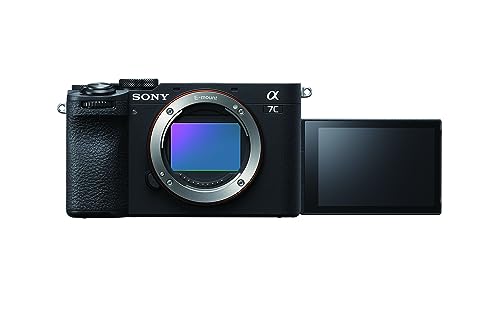 Sony Alpha 7C II (Body Only, Black) (B0CGTTVYGM) | Check price on Amazon | |
 Panasonic LUMIX S5 II (Body Only) (B0BR8JMCYG) | Check price on Amazon |
How to Choose
An all-around camera is a compromise done well. No single body leads on every spec, so weigh the six points below by how you will actually use the camera day to day.
Sensor and Resolution Balance
A full-frame sensor gathers more light than a smaller sensor, which helps in dim rooms, at dusk, and indoors without a flash. Resolution matters too, but more is not always better for an all-around camera. A 24MP sensor produces files that are easy to store and edit, and it is plenty for large prints and social sharing. A 33MP sensor gives you more room to crop a photo after the fact, which is useful when you cannot move closer to your subject. If you crop often or print very large, lean toward 33MP. If you value smaller files and cleaner high-ISO performance, a 24MP body is a sensible match.
Photo and Video Balance
The heart of an all-around camera is balance between stills and video. Look for a body that records 4K video with 10-bit color, because that gives you more flexibility when you adjust color and exposure later. A camera that only records strong video in a cropped mode is less useful for wide shots indoors. Also check whether the camera can record for long stretches without stopping, since that matters for events, interviews, and family gatherings. On the stills side, a burst rate of 10 frames per second or more helps with children, pets, and sports. A camera that is strong in both areas is a better all-around tool than one that is excellent at one and weak at the other.
Autofocus for Everyday Subjects
Autofocus is where an all-around camera earns its keep. You want a system that finds and holds focus on people, animals, and moving subjects without constant adjustment. Eye detection for humans and animals is especially useful for portraits and pet photos. Tracking that stays locked on a subject as it moves across the frame helps with kids running across a yard and with birds in a garden. The number of focus points matters less than how reliably the camera uses them, so pay attention to subject detection and tracking in real use rather than to the raw point count alone.
Size and Weight for Travel
A camera you leave at home because it is too heavy is not a good all-around camera, no matter how strong its specs are. Full-frame bodies vary a lot in size. Some are close in weight to a small water bottle, while others are closer to a hardcover book with a lens attached. If you travel often or walk for hours with a camera around your neck, a compact body makes a real difference. A lighter body also pairs better with smaller lenses, which keeps the whole kit portable. Think about your bag, your strap, and how long you carry the camera on a typical day.
Stabilization and Handheld Shooting
In-body image stabilization steadies the sensor itself, which helps in two ways. For stills, it lets you shoot at slower shutter speeds in low light without blur from hand shake. For video, it smooths out small movements when you walk and film at the same time. This matters most for travel, street photography, and casual video, where a tripod is rarely practical. Some bodies pair sensor stabilization with digital stabilization for video, which smooths footage further. If you shoot handheld often, treat stabilization as a core feature rather than a bonus.
Lens System and Future Growth
A camera body is only half the system. The lenses available for its mount decide what you can shoot next year and the year after. A mount with a wide range of lenses, from compact primes to long zooms, gives you room to grow without changing bodies. Third-party lenses matter too, because they often cover focal lengths and budgets that the camera maker does not. Before you commit, check that the mount has the lenses you actually want: a normal zoom for everyday use, a fast prime for portraits and low light, and a wide or long option for your favorite subjects.
The Best All Around Full Frame Cameras Reviewed
Sony Alpha 7 IV with 28-70mm Zoom Lens Kit (B09JZRWRJN)
The Sony Alpha 7 IV is the most complete all-around full-frame camera in this guide, and this listing includes the 28-70mm zoom lens, so you can shoot right away without buying a lens first. Its 33MP full-frame sensor delivers detailed stills with room to crop, and its 4K 60p video with 10-bit 4:2:2 color gives you flexible footage for family films, travel clips, and online content. The BIONZ XR processor drives fast autofocus with 759 phase-detection points and real-time eye detection for people, animals, and birds, which keeps everyday subjects sharp even when they move. Five-axis in-body stabilization helps with handheld stills and video, and the vari-angle touchscreen makes it easy to shoot from low angles or to film yourself. Two memory card slots, one of which accepts CFexpress Type A or SD cards, add a layer of security for important shoots.
This camera suits a shooter who wants one body for portraits, landscapes, travel, and video, and who values the huge Sony E-mount lens range. It suits someone who wants a camera that grows with them, from a first full-frame body to a long-term system. It is less suited to a buyer who wants the smallest possible camera, since the Alpha 7 IV is a full-size body, and to a buyer who only wants the body, since this listing is the kit version with the 28-70mm lens included.
Canon EOS R6 Mark II (Body Only) (B0BL7ZVY78)
The Canon EOS R6 Mark II is built for speed, and that speed makes it a strong all-around camera for busy households and active subjects. Its 24.2MP full-frame sensor pairs with Canon Dual Pixel CMOS AF II, which tracks people, animals, and vehicles with confidence. It can shoot up to 40 frames per second with the electronic shutter and 12 frames per second with the mechanical shutter, so a fast moment is less likely to slip past you. Video reaches 4K 60p oversampled from 6K, which keeps footage detailed, and in-body stabilization helps keep handheld clips steady. Dual SD card slots let you record to two cards at once, which is reassuring for events you cannot repeat.
This camera suits a shooter who photographs children, pets, sports, and wildlife alongside everyday subjects, and who wants autofocus they can trust in fast situations. It suits someone already invested in Canon RF lenses, or someone new to the system who wants a proven mount. It is less suited to a buyer who wants the highest resolution for heavy cropping, since 24.2MP gives less cropping room than a 33MP sensor, and to a buyer who needs a lens included, since this listing is body only and a lens must be bought separately.
Nikon Z6 III (Body Only) (B0D77SL8CY)
The Nikon Z6 III is a hybrid body that treats photo and video as equal partners, which is exactly what an all-around camera should do. Its 24.5MP partially stacked full-frame sensor and EXPEED 7 processor support stills at up to 120 frames per second, so fast action is well covered. On the video side it records 6K 60p internal RAW and 4K 120p, which gives video creators slow-motion options and plenty of detail for editing. Autofocus uses deep-learning subject detection for people, animals, and vehicles, and the bright electronic viewfinder stays clear in strong sunlight. Five-axis in-body stabilization helps with handheld work, and the body is weather sealed for outdoor use in rain and dust.
This camera suits a hybrid shooter who splits time evenly between stills and video, and who wants strong video tools without moving to a video-first body. It suits someone who shoots outdoors often and values a rugged, weather-sealed build. It is less suited to a buyer who wants the lightest camera for travel, since the Z6 III is a solid, full-size body, and to a buyer who wants a lens in the box, since this listing is body only and a Z-mount lens must be bought separately.
Sony Alpha 7C II (Body Only, Black) (B0CGTTVYGM)
The Sony Alpha 7C II packs a 33MP full-frame sensor into a body that is noticeably smaller and lighter than most full-frame cameras, which makes it the travel pick in this guide. It shares much of the Alpha 7 IV imaging core, including 4K 60p video, AI-based autofocus with subject recognition, and 7-stop in-body stabilization, but in a compact rangefinder-style body that slips into a small bag with a compact lens. The vari-angle touchscreen flips forward for self-recording, which suits solo creators and vloggers. A single SD card slot keeps the body slim, and the Sony E-mount gives access to the same wide lens range as the larger Sony bodies, including many compact primes that match the camera’s size.
This camera suits a traveler, street shooter, or everyday carrier who wants full-frame image quality without a full-size camera. It suits someone who already owns Sony E-mount lenses, or who plans to build a small, light kit around compact primes. It is less suited to a buyer who wants dual card slots for backup, since this body has only one, and to a buyer who prefers a large grip and many dedicated controls, since the compact body trades some handling space for portability.
Panasonic LUMIX S5 II (Body Only) (B0BR8JMCYG)
The Panasonic LUMIX S5 II is the video-strongest all-around camera in this guide, and it still takes strong stills. Its 24.2MP full-frame sensor works with Phase Hybrid Autofocus using 779 points, a major step forward for Panasonic, and it tracks subjects reliably for both photo and video. Video reaches 6K 30p in open gate mode, which records the full sensor area and gives you framing flexibility later, plus 4K 60p and unlimited recording time thanks to an active cooling design. The V-Log profile captures a wide dynamic range for color grading, and the Real Time LUT feature lets you preview a look in camera. Active I.S. stabilization supports smooth walking shots, and dual SD card slots cover backup and overflow. The L-mount opens up lenses from Panasonic, Leica, and Sigma.
This camera suits a creator whose shooting leans toward video but who still wants a capable stills camera for photos, thumbnails, and prints. It suits someone who records long takes, films while walking, or grades footage after shooting. It is less suited to a buyer who wants the highest stills resolution for heavy cropping, since 24.2MP is modest next to 33MP bodies, and to a buyer who wants a lens included, since this listing is body only and an L-mount lens must be bought separately.
What to Check Before You Buy
Before you order a full-frame camera, check a few practical details that decide whether the camera fits your life. First, confirm whether the listing is body only or a kit, because a body-only listing needs a lens before you can take a single photo. The Sony Alpha 7 IV in this guide is the kit version with a 28-70mm lens, while the other four listings are body only. Second, check the memory cards the camera needs. Some bodies use SD cards you may already own, while others use CFexpress cards that cost more and need a matching reader. Third, think about batteries. Full-frame mirrorless cameras drain batteries faster than a phone, so a spare battery is worth having for a full day of shooting. Fourth, check the lens mount and confirm that the lenses you want exist for it at a size and weight you are happy to carry. Finally, confirm the listing details on the live Amazon page before ordering, including what is in the box, since listings and included items can change.
FAQ
What makes a full-frame camera good for all-around use?
A good all-around full-frame camera balances stills and video, autofocus, stabilization, size, and lens choice. It should handle portraits, travel, family moments, and casual video without needing a second camera. High resolution alone does not make a camera all-around, and strong video alone does not either. The balance across all of these areas is what matters.
Do I need a kit lens or should I buy body only?
A kit lens is a good first step if you own no lenses for that mount, because it covers the most common focal lengths for everyday shooting. Buying body only makes sense if you already own lenses for the mount, or if you want to choose a specific lens, such as a fast prime, instead of the standard zoom. The Sony Alpha 7 IV listing in this guide includes a kit lens, while the other four are body only.
Can one camera handle both photos and video well?
Yes, all five cameras in this guide are hybrid bodies designed for both. Look for 4K video with 10-bit color, reliable autofocus in video mode, and stabilization for handheld filming. A vari-angle screen also helps for video, especially when you film yourself. The Panasonic LUMIX S5 II leans furthest toward video, while the Sony Alpha 7 IV and Nikon Z6 III split the balance most evenly.
Which full-frame camera is best for travel?
The Sony Alpha 7C II is the best travel pick in this guide because it pairs a 33MP full-frame sensor with the smallest, lightest body here. It is easier to carry all day and fits into a smaller bag with a compact lens. The Sony Alpha 7 IV and Canon EOS R6 Mark II are also good travel cameras if you accept a larger body in exchange for more controls and dual card slots.
Bottom Line
The best all around full frame cameras are the ones you will actually carry and use for both photos and video, and the Sony Alpha 7 IV with its kit lens is the strongest first choice for most shooters. It balances resolution, video, autofocus, and lens choice in a way that covers the widest range of everyday subjects. If speed is your priority, choose the Canon EOS R6 Mark II. If you split your time evenly between stills and video, choose the Nikon Z6 III. If you travel light, choose the Sony Alpha 7C II. If video leads your shooting, choose the Panasonic LUMIX S5 II. Any of the five will serve as a capable everyday full-frame camera, so match the pick to the shooting you do most, confirm whether the listing is body only or a kit before you order, and choose the lens system you want to grow with.
Disclosure: As an Amazon Associate, we may earn from qualifying purchases.
Related guides
More from Amazon
Programs that pair well with the guide above. Offers and eligibility are set by Amazon and may change.
Free shipping on eligible items, Prime Video and more. Eligible new members can start with a free trial.
Start a Prime free trialAudiobooks and podcasts to listen to on the go. Eligible new members can start with a free trial.
Try Audible freeAd-free music streaming. Eligible new subscribers can start with a free trial.
Try Music Unlimited freeA free business account with business pricing and bulk-buying tools for work, shop or home office.
Create a business accountAs an Amazon Associate we earn from qualifying purchases.










Write Your Review
No reviews yet. Be the first to share your experience!