
Our Short List of 3

- Best for: orthotic wearers who want a soft, structured daily trainer whose wide sizes start at small sizes.
- Women’s road running shoe
- Fresh Foam X midsole cushioning
- Engineered mesh and synthetic upper
- Rubber outsole
- Best for: a man with wide feet whose orthotic needs a deep, neutral shoe for daily training miles.
- Men’s road running shoe
- FF Blast Plus cushioning with PureGEL heel insert
- FluidRide outsole
- Engineered mesh upper

- Best for: orthotic users who want a lighter, softer daily shoe and need the insert to sit under a plush stock ride.
- Men’s road running shoe
- Cushioned EVA midsole
- Jacquard knit upper
- Medium, Wide and X-Wide widths sold on the listing
All 4 Picks at a Glance
| Product | Specs | Action |
|---|---|---|
| New Balance Women’s Fresh Foam X 880 V14 Running Shoe |
| Check price on Amazon |
| ASICS Men’s Gel-Cumulus 27 Running Shoes |
| Check price on Amazon |
| Hoka Men’s Clifton 10 |
| Check price on Amazon |
 New Balance Men’s Fresh Foam X 1080 V14 Running Shoe |
| Check price on Amazon |
Key takeaways
- Wide running shoes with room for orthotic inserts: five verified picks in named wide widths, with the insole and fit checks to make before you buy.
What's inside
As an Amazon Associate I earn from qualifying purchases. This post may contain affiliate links at no extra cost to you.
Running in a custom orthotic changes what a wide shoe has to do. A wide label alone is not enough: the shoe also needs enough internal volume for the insert to sit flat, without pushing your toes against the upper or lifting your heel out of the collar. The real decision is picking a shoe whose width is a genuine named option on the listing and whose depth and cushioning leave room for the insert you already own.
This guide is for runners with wide feet who train in custom orthotics: daily wearers who run and walk in the same pair, high-mileage runners who need cushioning that lasts, and men and women whose inserts have felt cramped in standard widths. Every pick below is sold in named wide widths and was chosen from the name and specifications stated on its Amazon product page, so the fit checks here rest on listing facts only.
Quick Picks
As an Amazon Associate we earn from qualifying purchases
| Product | Best for | Key spec from title |
|---|---|---|
| Brooks Women’s Ghost 16 Neutral Running Shoe | Daily orthotic wearers who want one neutral all-rounder | DNA Loft v3 cushioning, Wide and Extra Wide widths |
| New Balance Women’s Fresh Foam X 880 V14 Running Shoe | Soft daily miles, with wide sizes starting small | Fresh Foam X midsole, named Wide sizes on the listing |
| ASICS Men’s Gel-Cumulus 27 Running Shoes | Men who need a deep, neutral shoe for daily training | FF Blast Plus with PureGEL, Wide 2E and X-Wide 4E |
| Hoka Men’s Clifton 10 | A lighter, softer ride underneath a custom insert | Cushioned EVA midsole, Wide and X-Wide widths |
| New Balance Men’s Fresh Foam X 1080 V14 Running Shoe | High-mileage runners who want maximum cushioning | Fresh Foam X, maximum cushioning level, Wide and X-Wide |
How to Choose
Confirm the wide width is a named option
Plenty of shoes feel roomy without ever being sold in a true wide width, and that difference decides whether an orthotic fits. Look for a listing that names its widths directly, such as Wide, Extra Wide, 2E or 4E, and select that width option before ordering rather than trusting the product name. A genuine wide last adds volume across the forefoot and midfoot, which is exactly where an insert needs space. If the listing only offers one unlabelled width, treat the shoe as standard fit, however generous the reviews make it sound, and keep looking.
Judge internal volume, not just width
An orthotic takes up room in every direction, so a shoe can measure wide and still feel shallow once the insert is in. What matters is whether the insert lies flat on the midsole, whether your toes can spread without pressing the upper, and whether your heel still sits down in the collar instead of riding high. A deeper toe box and a padded collar help here. The reliable test is simple: put your own insert in the shoe, lace it as you would for a run, and walk around indoors before deciding the fit works.
Match the shoe’s support type to your insert
Orthotics are made for different jobs, and the shoe around them should not fight that job. A neutral shoe adds cushioning without steering the foot, which suits an insert that already provides the guidance its maker intended. Pairing a strongly corrective insert with a firm stability shoe can double up the control and feel awkward. If your orthotic was prescribed to manage how your foot rolls, the pairing question belongs with the clinician who made it. For everyone else, the listings here state each shoe’s cushioning and support design plainly, so compare those stated facts first.
Plan the insole swap and the variant check
Most custom orthotics replace the shoe’s stock insole rather than stacking on top of it, so check that the stock insole comes out cleanly and that the shoe still feels secure with your insert in place. Then confirm the exact variant at checkout: several of these listings sell standard and wide widths side by side, and some colour options carry no live offer. Choosing the wide width option, in a colour and size with an offer showing, avoids the two most common ordering mistakes with this kind of shoe.
The 5 Best Options
Brooks Women’s Ghost 16 Neutral Running Shoe
The Ghost 16 suits a wide-footed runner who wears a custom orthotic every day and wants one neutral shoe to cover easy miles and long walks. Its DNA Loft v3 cushioning feels soft without turning vague, the engineered air mesh upper leaves the forefoot room to spread, and the cushioned stock insole lifts out so a custom orthotic can take its place. The listing sells Wide and Extra Wide women’s widths, and the model carries diabetic-shoe certification, which makes it a sensible starting point for insert wearers.
Specs
- Women’s road running shoe
- DNA Loft v3 nitrogen-infused cushioning
- Segmented Crash Pad
- Engineered air mesh upper
- RoadTack rubber outsole
- Wide and Extra Wide women’s widths sold on the listing
- Certified PDAC A5500 diabetic shoe with APMA Seal of Acceptance, as stated in the Amazon bullet text
Best for: a wide-footed runner who wears a custom orthotic daily and wants one neutral shoe for easy miles and long walks.
Watch out for: the midfoot runs snug even in the wide, so check your orthotic sits flat without lifting your heel out of the collar.
New Balance Women’s Fresh Foam X 880 V14 Running Shoe
- Best for: orthotic wearers who want a soft, structured daily trainer whose wide sizes start at small sizes.
- Women’s road running shoe
- Fresh Foam X midsole cushioning
- Engineered mesh and synthetic upper
- Rubber outsole
orthotic wearers who want a soft, structured daily trainer whose wide sizes start at small sizes.
confirm you are ordering the W (wide) width option, not the M, because both sit on the same listing.
The 880 V14 is the pick for orthotic wearers who want a soft, structured daily trainer and have struggled to find wide sizes at the smaller end of the size run. The listing names Wide sizes directly, and the captured wide variant starts at a small size, which is rarer than it should be. Fresh Foam X cushioning gives it a forgiving ride for everyday mileage, the mesh and synthetic upper keeps the fit adaptable over an insert, and the overall shape stays steady rather than sloppy on longer walks and easy runs.
Watch out for: confirm you are ordering the W (wide) width option, not the M, because both sit on the same listing.
ASICS Men’s Gel-Cumulus 27 Running Shoes
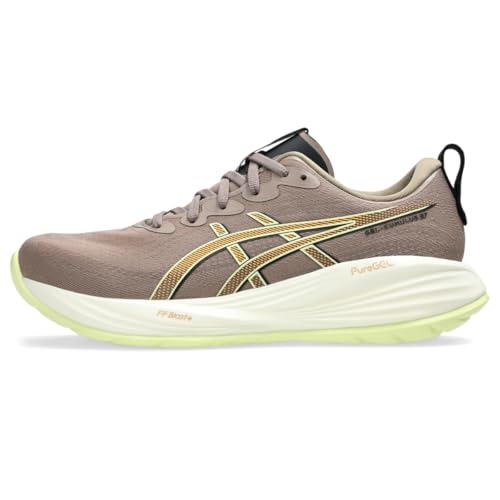
- Best for: a man with wide feet whose orthotic needs a deep, neutral shoe for daily training miles.
- Men’s road running shoe
- FF Blast Plus cushioning with PureGEL heel insert
- FluidRide outsole
- Engineered mesh upper
a man with wide feet whose orthotic needs a deep, neutral shoe for daily training miles.
the Cumulus is a neutral shoe, so if your orthotic was prescribed to control roll, confirm the pairing with the clinician who made it.
The Cumulus 27 answers a specific problem: a man with wide feet whose orthotic needs a deep, neutral shoe that will not add steering of its own. The listing carries full wide size charts, with Wide (2E) and X-Wide (4E) sizes named, so the room is built into the last rather than borrowed from a longer size. FF Blast Plus cushioning with a PureGEL heel insert keeps daily training miles comfortable, the engineered mesh upper gives the forefoot breathing room, and the FluidRide outsole suits steady road work across a full training week.
Watch out for: the Cumulus is a neutral shoe, so if your orthotic was prescribed to control roll, confirm the pairing with the clinician who made it.
Hoka Men’s Clifton 10
- Best for: orthotic users who want a lighter, softer daily shoe and need the insert to sit under a plush stock ride.
- Men’s road running shoe
- Cushioned EVA midsole
- Jacquard knit upper
- Medium, Wide and X-Wide widths sold on the listing
orthotic users who want a lighter, softer daily shoe and need the insert to sit under a plush stock ride.
the tall, soft midsole plus a thick custom orthotic can feel high, so walk the pairing indoors before a long run.
The Clifton 10 is for orthotic users who find most wide trainers heavy and want a lighter, softer daily shoe instead. Its cushioned EVA midsole gives a plush stock ride, and the jacquard knit upper stretches gently over the forefoot, which helps when an insert raises the foot slightly inside the shoe. The listing sells Medium, Wide and X-Wide widths, and the wide variant is a real option on the page rather than a sizing workaround. For easy miles and recovery days where comfort leads, it is the softest-feeling shoe in this group.
Watch out for: the tall, soft midsole plus a thick custom orthotic can feel high, so walk the pairing indoors before a long run.
New Balance Men’s Fresh Foam X 1080 V14 Running Shoe
- Best for: high-mileage orthotic wearers who want maximum cushioning with genuine wide and extra-wide options.
- Men’s road running shoe
- Fresh Foam X midsole
- Mesh upper
- Maximum cushioning level stated on the listing
high-mileage orthotic wearers who want maximum cushioning with genuine wide and extra-wide options.
some colour variants on this listing show no featured offers, so pick a colour and size with a live offer at checkout.
The 1080 V14 is the maximum-cushion option here, built for high-mileage orthotic wearers whose legs feel the week. The listing states its maximum cushioning level outright, and the Fresh Foam X midsole backs that up with the deepest ride in this guide. Wide and X-Wide sizes are sold on the listing, so the extra volume an insert needs is available without giving up the cushioning. The mesh upper keeps the fit forgiving over long distances, and the stated weight stays reasonable for a shoe with this much foam underfoot.
Watch out for: some colour variants on this listing show no featured offers, so pick a colour and size with a live offer at checkout.
Which One Fits Your Situation
You wear your orthotic all day, running and walking
Choose the Brooks Ghost 16. It is a neutral shoe sold in Wide and Extra Wide women’s widths, its stock insole lifts out for your custom insert, and its certification as a diabetic shoe reflects a design brief built around insert wearers. One pair covers the school run, the easy miles and the long weekend walk without asking your feet to adjust to different shoes.
Your wide feet are also small feet
Choose the New Balance 880 V14. Wide options in this guide start at genuinely small sizes on its listing, which is where wide-footed runners with smaller feet usually get left out. The Fresh Foam X ride is soft and structured enough for daily training, and as long as you select the W width option rather than the M, the fit should give your insert the room it needs.
You are a man who needs depth more than cushioning tricks
Choose the ASICS Gel-Cumulus 27. Its Wide 2E and X-Wide 4E sizes are named on the listing, the shoe is neutral so it will not argue with an insert made to guide your stride, and the PureGEL heel insert softens landings. It is the most straightforward deep, roomy daily trainer here for men.
Your legs carry high mileage and feel it by Friday
Choose the New Balance 1080 V14 for its stated maximum cushioning in a true wide fit. If that much softness feels like more than you want, the Hoka Clifton 10 is the lighter alternative: still sold in Wide and X-Wide, still plush, but easier on the legs when you prefer a shoe that disappears rather than one that absorbs everything.
Common Mistakes
- Trusting the product name instead of selecting the wide width option on the listing, then receiving the standard width.
- Sizing up in a standard-width shoe to gain room, which adds length, invites heel slip and still squeezes the forefoot.
- Stacking a custom orthotic on top of the stock insole, which crowds the shoe and lifts the heel out of the collar.
- Assuming more guidance is always better and pairing a corrective insert with a firm stability shoe without checking with the clinician who made the insert.
- Judging the fit standing in a shop without your orthotic inserted, instead of walking the actual pairing indoors first.
Frequently Asked Questions
Can I put my custom orthotic in a wide running shoe?
Usually yes, provided the shoe has enough internal volume. Take the stock insole out, lay your orthotic flat on the midsole, and check that your toes can spread and your heel still sits down in the collar. The wide widths named on these listings exist precisely to give that insert room without crowding.
Should I buy a wide shoe or just size up?
Buy the wide shoe. Sizing up adds length, not width, so your toes gain empty space at the front while the forefoot stays squeezed and the heel starts to slip. A true wide last, such as the 2E and 4E options named on the Cumulus 27 listing, adds volume where an orthotic actually needs it.
Do I need a neutral or a stability shoe with orthotics?
It depends on what your insert was made to do. An orthotic that already guides your stride usually pairs best with a neutral shoe, while a simple cushioned insert may sit happily in either. If your orthotic was prescribed, ask the clinician or podiatrist who made it before doubling up on guidance.
When should I see a clinician about foot pain?
See a clinician or podiatrist when pain persists despite sensible footwear, keeps returning, or changes how you walk. Shoes in this guide are chosen for comfort and support features only; they do not treat any condition. A professional can check whether your orthotic still matches your feet and whether something else needs attention.
Related guides
More from Amazon
Programs that pair well with the guide above. Offers and eligibility are set by Amazon and may change.
Free shipping on eligible items, Prime Video and more. Eligible new members can start with a free trial.
Start a Prime free trialAudiobooks and podcasts to listen to on the go. Eligible new members can start with a free trial.
Try Audible freeAd-free music streaming. Eligible new subscribers can start with a free trial.
Try Music Unlimited freeA free business account with business pricing and bulk-buying tools for work, shop or home office.
Create a business accountAs an Amazon Associate we earn from qualifying purchases.



Write Your Review
No reviews yet. Be the first to share your experience!