
Our Short List of 3

- Best for: Flat-footed runners who want a structured, guided-feeling stability shoe for daily road miles.
- Version: women’s
- Width: standard width, style line 1012B670
- Cushioning: GEL, as named in the model line
- Support specifications beyond the model line: not stated on the listing

- Best for: Flat-footed runners who want a supportive daily trainer that also handles long walks comfortably.
- Version: women’s
- Product type: Supportive Running Shoe, per the Amazon product name
- Style family: 120426
- Drop and weight: not stated on the listing
- Best for: Flat-footed runners who want maximum structured support and a roomier, more traditional fit.
- Version: women’s
- Product type: Supportive Running Shoe, per the product name
- Support system: GuideRails, Brooks’ named support system
- Drop and weight: not stated from the listing text
All 3 Picks at a Glance
| Product | Specs | Action |
|---|---|---|
| ASICS Women’s Gel-Kayano 31 Running Shoes |
| Check price on Amazon |
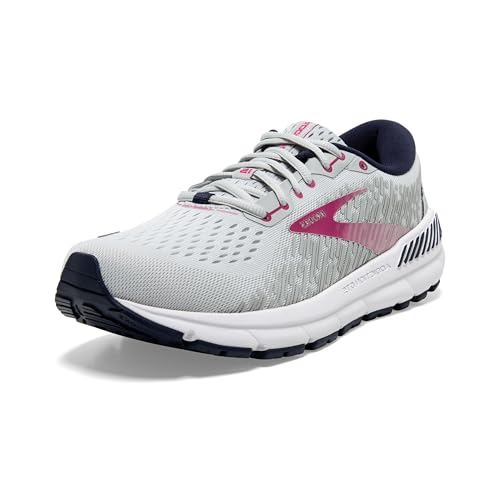
| Brooks Women’s Adrenaline GTS 24 Supportive Running Shoe |
| Check price on Amazon |
| Brooks Women’s Addiction GTS 15 Supportive Running Shoe |
| Check price on Amazon |
Key takeaways
- Five women's stability running shoes for flat feet, with guided support, steady cushioning and roomy fits for comfortable daily road miles at any pace.
What's inside
As an Amazon Associate I earn from qualifying purchases. This post may contain affiliate links at no extra cost to you.
The real decision for a woman with flat feet is not whether to buy a support shoe — it is how much guidance she wants underfoot: a structured stability shoe that actively guides the stride, or a milder supportive trainer that simply keeps the foot centered without feeling stiff. Too much structure can feel rigid on easy days; too little can leave long runs feeling sloppy. The right pick depends on mileage, pace, and how the foot feels after an hour, not on a single label.
This guide serves flat-footed women who run daily miles on roads, women returning to running after a break, walkers who want a running shoe’s support, and runners who prefer a roomier fit. Every pick below was chosen from the name and specifications on its Amazon product page — the stated support design, width options, and category — so the shortlist reflects what each listing actually promises.
Quick Picks
As an Amazon Associate we earn from qualifying purchases.
| Product | Best for | Key spec from title |
|---|---|---|
| ASICS Women’s Gel-Kayano 31 Running Shoes | Daily road miles with a guided, structured feel | GEL cushioning named in the model line |
| Brooks Women’s Adrenaline GTS 24 Supportive Running Shoe | Supportive training that doubles for long walks | Listed by Amazon as a Supportive Running Shoe |
| Saucony Women’s Guide 18 Sneaker | Lighter, nimbler stability for everyday training | PWRRUN foam with CenterPath design |
| HOKA Women’s Arahi 8 | Stability in a lighter, sleeker package | Listing describes a secure ride with softer materials |
| Brooks Women’s Addiction GTS 15 Supportive Running Shoe | Maximum structured support and a roomier fit | GuideRails support system named by Brooks |
How to Choose
Match the Support Design to Your Stride
Flat feet tend to roll inward as the stride lands, so stability shoes add guidance: firmer material on the inner side, shaped midsole geometry, or a named guide system that keeps the foot tracking straighter. The listings here state that support in different ways, from a product name that says supportive to a named system like GuideRails. If your current shoes wear down fastest along the inner edge, lean toward the more structured picks. If you only feel tired arches after long efforts, a milder supportive trainer may feel better than the firmest option.
Check the Width Option Before the Size
For flat feet, width is not a minor detail. A standard-width shoe can squeeze the midfoot and push the foot further inward, while a true wide version gives the arch room to sit naturally. On these listings, width is a separate variant, and in some cases a separate style line entirely, so the width shown in the size selector is the one that ships. Check it twice: pick your size, then confirm the width label still says what you intended before ordering, especially when a model sells in both standard and wide versions.
Balance Cushioning With a Steady Ride
Cushioning matters on daily miles, but the softest shoe is not automatically the kindest to flat feet. A very soft midsole without guidance can let the foot drift inward with every step, which is why the picks here pair cushioning with some form of stated support. Think about your longest weekly run: higher mileage usually rewards more cushioning, while shorter, easier runs can suit a lighter shoe. The listing language helps — words like secure ride or softer materials describe feel, while the support design underneath decides how steady that feel stays.
Confirm the Exact Version and Variant
Running shoe lines change every year, and a new version can alter the fit even when the name stays familiar. One pick here has already been succeeded by a newer version in its maker’s line, which can make sizes patchy. Variant codes are size- and color-specific, so the listing you open should name the exact model, version, and width you mean to buy. If the title on the page does not match the shoe you researched, back out and search again rather than assuming the difference is cosmetic.
The 5 Best Options
ASICS Women’s Gel-Kayano 31 Running Shoes
- Best for: Flat-footed runners who want a structured, guided-feeling stability shoe for daily road miles.
- Version: women’s
- Width: standard width, style line 1012B670
- Cushioning: GEL, as named in the model line
- Support specifications beyond the model line: not stated on the listing
Flat-footed runners who want a structured, guided-feeling stability shoe for daily road miles.
The wide (D) version is a separate style line — confirm the width selected on the listing before ordering.
The Gel-Kayano 31 is the structured end of this shortlist: a women’s stability shoe from ASICS whose model line has long been aimed at runners who want guidance through the whole stride. For flat feet, that means the shoe is built to feel steady rather than free-rolling, suiting daily road miles where consistent support matters more than a light, flexible ride. The captured listing keeps its claims modest — GEL is named in the model line, and further support specifications are not stated — so judge it as a guided daily trainer in a standard width.
Brooks Women’s Adrenaline GTS 24 Supportive Running Shoe
- Best for: Flat-footed runners who want a supportive daily trainer that also handles long walks comfortably.
- Version: women’s
- Product type: Supportive Running Shoe, per the Amazon product name
- Style family: 120426
- Drop and weight: not stated on the listing
Flat-footed runners who want a supportive daily trainer that also handles long walks comfortably.
Version 25 has replaced the 24 in Brooks’ line, so size availability may be patchy — check your size early.
Brooks sells the Adrenaline GTS 24 with the words Supportive Running Shoe in its Amazon product name, which tells you exactly where it sits: a daily trainer built around support rather than speed. For a flat-footed runner, that positioning suits the bulk of weekly training — easy runs, steady miles, and the long walks many runners mix in on rest days. It is the dependable middle option here, less overtly structured than the maximum-support pick and more guided than a neutral trainer, with the fit coming from the women’s version of the 120426 style family.
Saucony Women’s Guide 18 Sneaker
The Guide 18 is Saucony’s stability entry, sold on Amazon as a women’s sneaker in the Road Running category. Its appeal for flat feet is agility: where the most structured shoes can feel deliberate, the Guide line aims for a lighter, more nimble ride that still includes guidance, which the maker names through its PWRRUN foam and CenterPath design. That makes it a sensible pick for everyday training when you want support that stays in the background. Check the width on the page, because this model also sells in a wide version under different codes.
Specs
- Version: women’s
- Category: Road Running, per the Amazon listing
- Style: S10998-160
- Named technologies: PWRRUN foam and CenterPath design (maker-named; no figures stated)
Best for: Flat-footed runners who want a lighter, more nimble stability shoe for everyday training.
Watch out for: This model also sells in Wide under other codes — confirm the width shown on the page.
ASIN: B0D3N634TQ
HOKA Women’s Arahi 8
HOKA’s Arahi 8 brings the stability idea into a lighter, sleeker package. The listing’s own description calls it a stability shoe with a secure ride and softer materials than the version before it, a combination that suits flat-footed runners who find traditional stability shoes heavy or clunky. The captured variant is a women’s medium width, and HOKA markets the Arahi line for the road, so think of it as a daily road trainer with guidance built in. It is the pick for runners who want support to feel modern and unobtrusive rather than firm and corrective.
Specs
- Version: women’s, medium width variant
- Ride: described on the listing as a stability shoe with a secure ride
- Materials: described as softer than the previous version
- Drop and weight: not stated on the listing
Best for: Flat-footed runners who want stability in a lighter, sleeker package for daily miles.
Watch out for: One colorway of this model showed as unavailable in listings — check the featured offer for the exact variant before ordering.
ASIN: B0F9QW6NZK
Brooks Women’s Addiction GTS 15 Supportive Running Shoe
- Best for: Flat-footed runners who want maximum structured support and a roomier, more traditional fit.
- Version: women’s
- Product type: Supportive Running Shoe, per the product name
- Support system: GuideRails, Brooks’ named support system
- Drop and weight: not stated from the listing text
Flat-footed runners who want maximum structured support and a roomier, more traditional fit.
Several variants of this model circulate — confirm the listing names the Addiction GTS 15 women’s version before ordering.
The Addiction GTS 15 is the maximum-structure option in this group. Brooks names GuideRails as its support system in the maker’s copy, and the shoe is listed as a Supportive Running Shoe in a women’s version, aimed at runners who want the most guided feel available here. Its fit is described as roomier and more traditional than the sleeker picks, which can suit flat feet that feel cramped in narrow trainers. Choose it when lesser support has felt insufficient on long days, and confirm the listing names this exact model before ordering, since several variants circulate.
Which One Fits Your Situation
You Run Daily Road Miles and Want Guidance Throughout
Pick the ASICS Gel-Kayano 31. Its model line is built around a guided, structured feel, which suits the repetitive landing pattern of daily training on pavement. The standard width keeps the fit controlled rather than sloppy, and the support intent is clear from the model family itself. If your easy miles add up across the week and you want the shoe to keep your stride organized from the first mile to the last, this is the most direct match.
You Split Your Week Between Runs and Long Walks
Pick the Brooks Adrenaline GTS 24. It is listed as a supportive running shoe, and that support-first design carries over naturally to long walks on rest days, when tired feet appreciate guidance at slower speeds too. One shoe covering both jobs simplifies a rotation, and its middle level of structure avoids feeling excessive at walking pace. Check your size early, because the newer version in the line means this one’s availability can be patchy.
You Want Support That Feels Light and Quick
Pick the Saucony Guide 18 or the HOKA Arahi 8. Both aim to keep guidance in the background: the Guide 18 through its named foam and design, the Arahi 8 through a sleeker shape and softer materials than its predecessor. Choose the Guide for a conventional trainer feel, or the Arahi if you prefer HOKA’s lighter package. Either way, you get stability intent without the firm, deliberate ride of the most structured options here.
You Want Maximum Structure and a Roomier Fit
Pick the Brooks Addiction GTS 15. Its named GuideRails support system and traditional, roomier fit make it the most guided option in this guide, suited to flat feet that feel unsettled in lighter shoes. It trades sleekness for control, which is the right exchange when support is the whole point of the purchase. Confirm the listing names this exact model and version before ordering, because similar variants are sold under related names.
Common Mistakes
- Buying a soft neutral shoe because it feels comfortable in the store, then finding it offers no guidance once the miles add up and the foot starts rolling inward.
- Sizing up to get more width instead of choosing the wide version of the model, which adds length the foot does not need and lets the heel slip.
- Assuming a new version of a familiar model fits like the old one, when version changes can alter the shape, the width, and the feel of the support.
- Choosing the firmest stability shoe available when mild guidance would have been enough, leaving easy runs feeling stiff and deliberate.
- Expecting a shoe to resolve ongoing foot pain on its own; persistent pain is a reason to see a clinician or podiatrist, not to keep swapping models.
Frequently Asked Questions
Do women with flat feet always need stability shoes?
Not always. Some flat-footed runners are comfortable in neutral shoes, especially at low mileage. Stability models help when the foot rolls noticeably inward, shoes wear unevenly along the inner edge, or arches feel tired after longer runs. The picks here are for runners who want stated guidance and support features; comfort on your own feet is the final test, so let fit and feel confirm the choice.
Can a running shoe change flat feet?
No. A shoe cannot reshape the structure of your foot. What the models here offer is cushioning and stated support features — guide systems, supportive designs, and steadier rides — that many flat-footed runners find more comfortable across daily miles. If pain persists, sharpens, or changes how you walk, see a clinician or podiatrist rather than relying on footwear to address it.
Should I buy the wide version or just size up?
Choose the wide version when width is the problem. Sizing up adds length, which can let the foot slide and change where the shoe flexes, while a true wide variant adds room across the midfoot and toes where flat feet need it. On these listings the width is a selectable variant, so confirm the width label in the selector before ordering, not just the number size.
How much support is too much?
If a shoe feels rigid immediately, pushes your stride outward, or leaves your feet and legs more tired than a milder pair, its guidance may be more than you need. Support should feel steady, not forced. Runners who only notice inward roll late in long runs often do better with a moderate option like the Adrenaline GTS 24 or Guide 18 than with the most structured shoe.
Related guides
More from Amazon
Programs that pair well with the guide above. Offers and eligibility are set by Amazon and may change.
Free shipping on eligible items, Prime Video and more. Eligible new members can start with a free trial.
Start a Prime free trialAudiobooks and podcasts to listen to on the go. Eligible new members can start with a free trial.
Try Audible freeAd-free music streaming. Eligible new subscribers can start with a free trial.
Try Music Unlimited freeA free business account with business pricing and bulk-buying tools for work, shop or home office.
Create a business accountAs an Amazon Associate we earn from qualifying purchases.



Write Your Review
No reviews yet. Be the first to share your experience!