
Key takeaways
- Find the best cameras for wedding videography in this guide to four full-frame and cinema bodies built for long ceremonies, dim receptions, and autofocus.
What's inside
As an Amazon Associate I earn from qualifying purchases. This post may contain affiliate links at no extra cost to you.
As an Amazon Associate I earn from qualifying purchases.
The Short Answer
The Sony Alpha 7 IV with the 28-70mm kit lens is the best camera for wedding videography for most videographers. It pairs a 33MP full-frame sensor with dependable Real-time Eye autofocus, 10-bit 4:2:2 video recording, and strong image stabilization in a body that handles both the ceremony and the still photographs many couples also expect. If your work is video only and you film in very dim reception halls, the Sony FX30 cinema camera is the specialist alternative, while the Panasonic LUMIX S5 II and the Nikon Z6 III are strong full-frame choices for shooters who want unlimited recording times and advanced video formats. Every camera in this guide is a camera body or a camera kit, chosen because it records clean, professional video through a full wedding day, from getting ready in the morning to the last dance at night.
Wedding videography is one of the hardest jobs a camera can do. A wedding day cannot be repeated, the light changes from bright outdoor portraits to candlelit receptions, and the videographer must keep moving without drawing attention. The right camera holds focus on a moving bride, keeps skin tones natural under mixed lighting, and keeps recording through a ceremony that runs long.
Our Top Picks
- Sony Alpha 7 IV with 28-70mm Lens Kit — Best overall for wedding videography, with reliable autofocus and a versatile full-frame sensor.
- Panasonic LUMIX S5 II — Best for long, uninterrupted recording, with a cooling fan and unlimited recording time.
- Nikon Z6 III — Best for slow-motion highlight films, with 4K 120p and 6K internal RAW recording.
- Sony FX30 Cinema Line — Best dedicated video body, with dual base ISO and cinema color profiles in a compact frame.
Quick Comparison
| Product | Best for | Key spec | Amazon link |
|---|---|---|---|
| Sony Alpha 7 IV with 28-70mm Lens Kit | All-round wedding work | 33MP full-frame, 4K 60p 10-bit 4:2:2 | View on Amazon |
| Panasonic LUMIX S5 II | Long ceremonies and receptions | 24.2MP full-frame, unlimited 4:2:2 10-bit recording | View on Amazon |
| Nikon Z6 III | Slow motion and RAW video | 24.5MP partially stacked sensor, 6K 60p internal RAW | View on Amazon |
| Sony FX30 Cinema Line | Dedicated video and low light | 26MP Super 35, dual base ISO, 4K 120p | View on Amazon |
How to Choose
Autofocus that you can trust
Autofocus is the single most important feature for wedding videography. The couple moves down the aisle, guests step into the frame, and the light falls away during the first dance. A camera with strong subject detection and eye autofocus keeps the couple sharp while you concentrate on framing and movement. Look for a camera that tracks faces and eyes in video mode, holds focus when a subject turns away for a moment, and recovers quickly when the subject returns to the frame.
Low-light performance for receptions
Reception halls are often dim, and many venues forbid bright video lights during the ceremony. A full-frame sensor gathers more light than a smaller sensor, which is why three of the four cameras in this guide use full-frame sensors. Dual base ISO, found on the FX30 and the S5 II, gives you a second, cleaner sensitivity setting for dark rooms, so footage from the dance floor stays usable without heavy noise reduction in editing.
Recording limits and overheating
A ceremony can run for an hour, and a camera that stops recording after thirty minutes is a liability on a wedding day. Check whether the camera has a recording time limit and whether it uses active cooling. The Panasonic S5 II uses a fan and advertises unlimited recording, which makes it a natural fit for ceremonies and speeches.
Stabilization for moving shots
Wedding videographers walk backward down aisles, circle the couple during the first dance, and glide through crowded reception rooms. In-body image stabilization smooths out small movements and pairs with stabilized lenses for steadier handheld footage. All four cameras in this guide include in-body stabilization. A gimbal still gives smoother results for long moving shots, but good in-body stabilization means you can keep shooting handheld when a gimbal is impractical, such as during a crowded ceremony.
Color, codecs, and editing workflow
The look of a wedding film depends on the color science and the recording format as much as on the lens. Ten-bit 4:2:2 recording gives you far more room to adjust exposure and color in editing than eight-bit recording, and it is now standard on all four cameras here. Log profiles such as S-Log3, V-Log, and N-Log capture a wider dynamic range for grading, while profiles such as S-Cinetone produce a pleasing look with less grading work. Before you commit to a camera, check that your editing software handles its codecs and that your memory cards are fast enough for its highest recording modes.
Battery life and media
A wedding day lasts ten to twelve hours, and a camera battery does not. Plan on several spare batteries per body, and confirm on the listing which battery the camera uses and whether it can charge over USB while you work. Dual card slots matter just as much: recording to two cards at once protects the footage if one card fails, and a wedding is the one job where a card failure is not acceptable. All four cameras in this guide have dual card slots, though the card types differ, so confirm on the listing which cards each slot accepts before you buy media.
The Picks in Detail
Sony Alpha 7 IV with 28-70mm Lens Kit

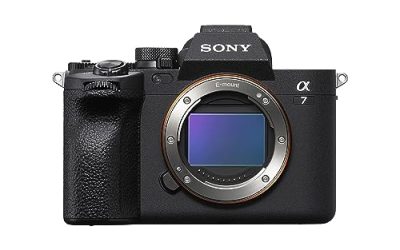
The Sony Alpha 7 IV is the most balanced wedding camera in this guide, and that balance is why it leads the list. Its 33MP full-frame Exmor R sensor and BIONZ XR processor record up to 4K 60p in 10-bit 4:2:2, with 7K oversampling for 4K 30p footage that holds fine detail in lace, flowers, and fabric. Real-time Eye autofocus tracks the couple through the aisle walk and the first dance, and five-axis in-body stabilization steadies handheld shots when you cannot use a gimbal. The vari-angle touchscreen flips out for low-angle shots and self-monitoring, and the dual card slots let you record to two cards at once for backup. The kit version includes the FE 28-70mm zoom lens, which covers the wide establishing shots and the medium portraits a wedding day needs, so you can begin shooting with one box. Confirm on the listing exactly what the kit includes before ordering.
Pros:
- Dependable eye autofocus that holds the couple through movement and changing light
- 33MP full-frame sensor that handles both video and high-resolution stills
- 10-bit 4:2:2 recording with 7K oversampling for detailed 4K footage
- Five-axis in-body stabilization for steadier handheld work
- Kit lens included, so the camera is ready to shoot on arrival
Cons:
- 4K 60p uses a Super 35 crop, which narrows the field of view at higher frame rates
- No built-in fan, so long takes in warm venues need planning
- File sizes in the highest quality modes call for fast cards and ample storage
View the Sony Alpha 7 IV on Amazon
Panasonic LUMIX S5 II

The Panasonic LUMIX S5 II is the workhorse choice for videographers who film long ceremonies and speeches without a break. Its 24.2MP full-frame sensor pairs with phase hybrid autofocus, a major step forward for Panasonic, and a built-in fan that allows unlimited 4:2:2 10-bit recording without a time limit. It records 6K 30p and 4K 60p, uses dual native ISO for cleaner footage in dim reception halls, and includes Active I.S. stabilization that works well for handheld walking shots. The L-mount system gives you access to a growing range of lenses from Panasonic, Sigma, and Leica, and the body is weather sealed for outdoor ceremonies in light rain. The body-only listing ships without a lens, so pair it with a fast standard zoom for wedding work and confirm on the listing which lens mount and card types it uses.
Pros:
- Fan cooling and unlimited recording time for ceremonies and speeches
- Dual native ISO for cleaner low-light footage at receptions
- Phase hybrid autofocus that tracks subjects reliably in video
- 6K recording and 10-bit 4:2:2 color for flexible grading
- Weather-sealed body for outdoor ceremonies
Cons:
- Body-only listing, so a lens must be bought separately
- Autofocus still trails Sony in the most demanding tracking situations
- L-mount lens range is smaller than Sony E-mount or Nikon Z-mount
View the Panasonic LUMIX S5 II on Amazon
Nikon Z6 III

The Nikon Z6 III is the choice for videographers who build their wedding films around slow motion and rich color grading. Its 24.5MP partially stacked CMOS sensor and EXPEED 7 processor record 6K 60p internal RAW in N-RAW, along with 4K 120p for smooth slow-motion highlight reels of the bouquet toss, the confetti exit, and the first dance. In-body stabilization is listed at up to 8 stops, which helps handheld shots stay steady, and the dual card slots take CFexpress Type B and SD cards for fast, redundant recording. The electronic viewfinder is bright and detailed, and Nikon color science renders skin tones warmly, which suits wedding work. Confirm on the listing whether the RAW recording modes you want are available internally or need an external recorder.
Pros:
- 6K 60p internal RAW recording for maximum grading flexibility
- 4K 120p slow motion for highlight films
- Strong in-body stabilization listed at up to 8 stops
- Warm, natural skin tones that suit wedding films
- Fast partially stacked sensor with quick readout
Cons:
- RAW files are very large and need fast cards and storage
- Body-only listing, so a lens must be bought separately
- Shorter battery life in demanding video modes calls for spare batteries
View the Nikon Z6 III on Amazon
Sony FX30 Cinema Line

The Sony FX30 is the only dedicated cinema camera in this guide, and it is built for videographers who shoot video all day and never need still photographs. Its 26MP Super 35 sensor records 4K at up to 120p with 10-bit 4:2:2 color, and dual base ISO keeps footage clean in dark reception halls. S-Cinetone and S-Log3 profiles give you a cinematic look with room to grade, and the built-in fan allows long recording sessions without heat interruptions. The compact body rigs easily onto a gimbal, and the E-mount system gives you the widest lens choice in this guide. There is no electronic viewfinder, so you frame with the rear screen or an external monitor, and the XLR audio handle is a separate accessory on the body-only version, so confirm on the listing what is included before ordering.
Pros:
- Cinema-focused design with dual base ISO for dim venues
- 4K 120p slow motion with 10-bit 4:2:2 recording
- Built-in fan for long, uninterrupted takes
- Compact body that balances well on a gimbal
- Wide E-mount lens choice
Cons:
- No electronic viewfinder, so framing relies on the rear screen
- Not designed for still photography
- Super 35 sensor is smaller than full-frame, so low-light performance differs from the full-frame picks
- XLR audio handle is not included with the body-only version, confirm on the listing
Who Should Choose What
Choose the Sony Alpha 7 IV if you want one camera that handles the whole wedding day, from video to stills, with autofocus you can trust and a kit lens that covers the most common shots. It is the safest single-body choice for a videographer who works alone or who also delivers photographs.
Choose the Panasonic LUMIX S5 II if your priority is recording long ceremonies, speeches, and toasts without interruption. The fan cooling and unlimited recording time remove the worry of a camera stopping mid-vow, and dual native ISO keeps reception footage clean.
Choose the Nikon Z6 III if your films lean on slow motion and heavy color grading. The 4K 120p mode and 6K internal RAW recording give your highlight films a polished, cinematic feel, and the strong stabilization helps when you shoot handheld all day.
Choose the Sony FX30 if video is your only job and you want a compact cinema body built around low light, long takes, and gimbal work. It is the best fit for a dedicated videographer on a team where someone else handles still photography.
Common Mistakes
Buying a camera with a recording limit. Some cameras stop recording after thirty minutes, which can cut a ceremony in half. Check the recording limit before you buy, and favor cameras with a fan or unlimited recording for wedding work.
Ignoring audio. The picture is only half of a wedding film. Vows and speeches need clean audio, and a camera with a microphone input and headphone jack lets you monitor sound as you record. Budget for a shotgun microphone or a wireless lavalier system, and test it before the wedding day.
Using one card and no backup. A single card is a single point of failure on a day that cannot be repeated. Use dual card slots with simultaneous recording, and carry spare cards that are fast enough for your highest recording mode.
Skipping the low-light test. A camera that looks good in daylight can struggle in a dark reception hall. Test your camera at the ISO levels you will actually use, and learn where noise becomes unacceptable before the wedding day.
Forgetting spare batteries. Video drains batteries far faster than still photography. Carry at least three batteries per body, keep them charged, and rotate them during natural breaks in the day.
Choosing a camera for stills alone. A camera with excellent stills can still be a poor video camera if its autofocus hunts in video mode or its recording formats are limited. Judge every candidate on its video features first when the job is wedding videography.
FAQ
What is the best camera for wedding videography for a beginner?
The Sony Alpha 7 IV is the best first choice for most beginners. Its autofocus does much of the hard work, the kit lens covers the common focal lengths, and the full-frame sensor handles both bright outdoor portraits and dim receptions. Learn the camera thoroughly before your first wedding, and practice the ceremony flow with a friend before the real day.
Do I need a full-frame camera for wedding videography?
A full-frame camera is not required, but it helps in low light and gives a shallower depth of field for portraits. The Sony FX30 uses a smaller Super 35 sensor and still produces excellent wedding footage, thanks to dual base ISO and strong video features. Choose full-frame for the easiest low-light performance, and choose Super 35 when size, cost, and cinema features matter more.
How many cameras do I need for a wedding?
Two cameras are the standard for professional wedding work. One camera films the ceremony from a fixed position while the second moves for close-ups and creative angles, and a second body protects you if one camera fails. Many videographers use the same model for both bodies so the footage matches in editing.
Is 10-bit video important for wedding films?
Ten-bit video matters when you plan to adjust exposure or color in editing, because it records far more color information than eight-bit video. All four cameras in this guide record 10-bit 4:2:2 video, which gives you room to correct mixed lighting and to match footage from two cameras.
Can I use one of these cameras for wedding photography too?
The Sony Alpha 7 IV, Panasonic LUMIX S5 II, and Nikon Z6 III all take high-quality still photographs alongside video, so they work as hybrid bodies. The Sony FX30 is a video-only cinema camera and is not designed for still photography, so pair it with a second body if you also need photographs.
Conclusion
The best camera for wedding videography is the one that keeps focus on the couple, keeps recording through a long ceremony, and delivers clean footage in a dim reception hall. The Sony Alpha 7 IV with the 28-70mm kit lens does all three, and it also handles still photographs, which makes it the top pick for most wedding videographers. The Panasonic LUMIX S5 II is the runner-up for shooters who value unlimited recording and clean low-light footage, while the Nikon Z6 III suits filmmakers who want slow motion and RAW recording, and the Sony FX30 suits dedicated video specialists. Whichever camera you choose, confirm the exact listing contents on Amazon, buy spare batteries and fast cards, and practice with the camera before the wedding day, because a wedding happens once and the footage has to be right the first time.
Related guides
More from Amazon
Programs that pair well with the guide above. Offers and eligibility are set by Amazon and may change.
Free shipping on eligible items, Prime Video and more. Eligible new members can start with a free trial.
Start a Prime free trialAudiobooks and podcasts to listen to on the go. Eligible new members can start with a free trial.
Try Audible freeAd-free music streaming. Eligible new subscribers can start with a free trial.
Try Music Unlimited freeA free business account with business pricing and bulk-buying tools for work, shop or home office.
Create a business accountAs an Amazon Associate we earn from qualifying purchases.

Write Your Review
No reviews yet. Be the first to share your experience!