
Our Short List of 3

- Best for: Runners who want a lively, bouncy-feeling daily trainer for upbeat road miles.
- Category: Men’s running shoes (per the Amazon listing)
- Model name: Novablast 5
- Style number: 1011B975.020
- Foam name: Not stated on the listing

- Best for: Max-cushion comfort on long, slow road runs and high-mileage weeks.
- Category: Men’s neutral running shoe (per the Amazon listing)
- Support type: Neutral
- Foam name: Not stated on the listing
- Heel-to-toe drop: Not stated on the listing
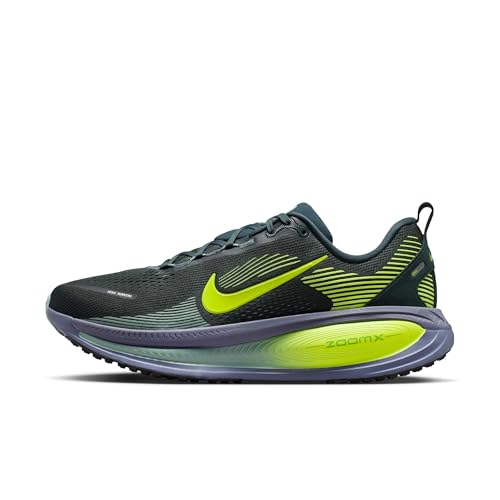
- Best for: Runners who want Nike’s plushest-feeling everyday road shoe for easy and recovery miles.
- Category: Road Running (per the Amazon listing)
- Model name: Vomero 18
- Version: Men’s
- Foam name: Not stated on the listing
All 3 Picks at a Glance
| Product | Specs | Action |
|---|---|---|
| ASICS Men’s Novablast 5 Running Shoes |
| Check price on Amazon |
| Brooks Men’s Glycerin 22 Neutral Running Shoe |
| Check price on Amazon |
| Nike Men’s Vomero 18 Road Running Shoes |
| Check price on Amazon |
Key takeaways
- Five men's road running shoes with smooth cushioning for pavement miles, from daily trainers to max-cushion options, compared by fit, foam and use.
What's inside
As an Amazon Associate I earn from qualifying purchases. This post may contain affiliate links at no extra cost to you.
Choosing a road shoe is less about chasing the fastest model on the shelf and more about matching the shoe to the miles you actually run. A soft, max-cushion trainer that feels wonderful on a slow Sunday run can feel vague when you pick up the pace, while a lively, responsive shoe can leave your legs tired on high-mileage weeks. Fit family matters just as much: Hoka, Nike, ASICS, Saucony and Brooks all build their shoes on different lasts, so the right size in one brand is not automatically the right size in another.
This guide is for men who run on pavement: beginners building a steady base, daily trainers who want one versatile shoe, high-mileage runners who need deeper cushioning, and runners who prefer a bouncy, upbeat ride. Every pick below is a men’s road running shoe chosen from the name and specifications shown on its Amazon product page, so you can compare fit, category and intended use before you order.
Quick Picks
As an Amazon Associate we earn from qualifying purchases.
| Product | Best for | Key spec from title |
|---|---|---|
| Hoka Men’s Clifton 10 | Daily pavement miles with a light, cushioned ride | Listed under Road Running; wide variants offered on the listing |
| Saucony Men’s Ride 18 | One neutral trainer for easy days, long runs and steady training | Men’s road running shoe |
| ASICS Men’s Novablast 5 | Lively, bouncy miles on upbeat training days | Road version, style 1011B975.020 |
| Brooks Men’s Glycerin 22 | Max-cushion comfort on long, slow runs | Neutral running shoe, not the GTS support version |
| Nike Men’s Vomero 18 | Plush easy and recovery miles | Listed under Road Running |
How to Choose
Match the Shoe to Your Weekly Miles
Start with the running you actually do, not the running you hope to do. If most of your week is easy pavement miles with one longer run, a versatile daily trainer like the Ride 18 covers everything without forcing a rotation. If your long run is the centerpiece of your training and your legs feel beaten up afterward, a max-cushion model like the Glycerin 22 or Vomero 18 makes more sense. Runners who mix in tempo days and faster workouts should look at a livelier shoe like the Novablast 5, which keeps easy miles comfortable while feeling less sleepy when the pace rises.
Decide How Much Cushioning You Want Underfoot
Cushioning is a preference, not a score. A thicker stack usually feels protective on long, slow runs and on concrete, but it also raises your foot farther from the ground and can feel less connected on turns and uneven pavement. A moderate stack feels more nimble for daily training and shorter races. None of the listings in this guide state a foam name, drop or weight, so judge by the shoe’s stated role instead: max-cushion models for easy volume, balanced daily trainers for mixed weeks, and lighter-feeling shoes for upbeat days. If you run mostly on concrete sidewalks, lean toward the deeper-cushioned end.
Check the Fit Family Before the Size
Road shoes are built on brand-specific lasts, so your usual size is only a starting point. Hoka’s fit, for example, does not mirror the Nike or ASICS fit, and a shoe that feels secure in one brand can feel sloppy or tight in another. Check whether the listing offers a wide version if your forefoot feels squeezed in standard shoes, and remember that the wide version of a model is a separate listing variant, sometimes with its own product code. Order the size and width the listing itself shows, and keep your longest training socks in mind when you judge the fit.
Confirm the Exact Version on the Listing
Model names repeat across generations and variants, and the differences matter. The Glycerin 22 in this guide is the neutral version; Brooks also sells a Glycerin GTS 22 with support features, and the two are not interchangeable. The Novablast 5 here is the road shoe, not the Novablast 5 TR trail version, which is built for a different surface. Before ordering, read the full product name on the listing, confirm it says men’s and road, and check that the offer on the page is actually available in your size rather than assuming every colorway is stocked.
The 5 Best Options
Hoka Men’s Clifton 10
The Clifton 10 is the easy default for men whose training is mostly steady pavement miles. Its listing places it squarely in the road running category, and the shoe is built around a light, cushioned ride rather than a firm, connected feel, which suits daily routes, base-building weeks and longer easy runs. If you are coming from a heavier or more rigid trainer, this is the kind of shoe that disappears on your foot and lets the miles accumulate. Runners who like a planted, low-to-the-ground sensation may find it softer than they prefer.
Specs
- Category: Road Running (per the Amazon listing)
- Version: Men’s
- Width options: Wide variants are offered on the listing
- Foam name: Not stated on the listing
- Heel-to-toe drop: Not stated on the listing
- Weight: Not stated on the listing
Best for: Daily pavement miles where a light, cushioned ride matters more than a firm, connected feel.
Watch out for: Hoka’s fit differs from Nike and ASICS lasts, so confirm your size on this listing; the wide version carries a different product code.
ASIN: B0D5G81WPD
Saucony Men’s Ride 18
The Ride 18 is the one-shoe answer for men who do a bit of everything on the road. It is a neutral daily trainer, so it does not push you toward a support shoe you may not need, and its role covers easy days, long runs and steady midweek training without asking you to rotate between pairs. If your schedule changes week to week and you want a single shoe that never feels like the wrong choice, this is the safest pick in the guide. Runners chasing a very soft or very lively ride should look at the max-cushion or bouncy options instead.
Specs
- Category: Men’s road running shoe (per the Amazon listing)
- Support type: Neutral
- Foam name: Not stated on the listing
- Heel-to-toe drop: Not stated on the listing
- Weight: Not stated on the listing
Best for: A neutral daily trainer for runners who want one shoe for easy days, long runs and steady training.
Watch out for: Similar listings circulate for this model, so order only from the product page whose name and details match this exact shoe.
ASIN: B0D31WQH7W
ASICS Men’s Novablast 5 Running Shoes
- Best for: Runners who want a lively, bouncy-feeling daily trainer for upbeat road miles.
- Category: Men’s running shoes (per the Amazon listing)
- Model name: Novablast 5
- Style number: 1011B975.020
- Foam name: Not stated on the listing
Runners who want a lively, bouncy-feeling daily trainer for upbeat road miles.
Do not pick the Novablast 5 TR trail variant; it is a different shoe built for trails, and this pick is the road version.
The Novablast 5 is the pick for men who find most daily trainers a little dull. It is the road version of ASICS’ lively trainer line, aimed at upbeat miles where you want the shoe to feel springy rather than sedate. It still works as an everyday shoe for neutral runners, but it comes alive on progression runs, faster long runs and days when you simply want running to feel fun. If your training is almost entirely slow and easy, the softer max-cushion picks will match your pace better than this one.
Brooks Men’s Glycerin 22 Neutral Running Shoe
- Best for: Max-cushion comfort on long, slow road runs and high-mileage weeks.
- Category: Men’s neutral running shoe (per the Amazon listing)
- Support type: Neutral
- Foam name: Not stated on the listing
- Heel-to-toe drop: Not stated on the listing
Max-cushion comfort on long, slow road runs and high-mileage weeks.
This is the neutral Glycerin 22, not the Glycerin GTS 22 support version; check which one you are ordering.
The Glycerin 22 is Brooks’ max-cushion neutral shoe, and it earns its place here for men whose priority is comfort over long, slow pavement miles. High-mileage weeks, marathon base building and back-to-back easy days are where a shoe like this makes sense: the ride is about softness and consistency rather than snap. It is also a sensible choice for runners who spend long runs on concrete. If you want guidance or stability features, note that this is the neutral version, and Brooks sells a separate support model under a similar name.
Nike Men’s Vomero 18 Road Running Shoes
- Best for: Runners who want Nike’s plushest-feeling everyday road shoe for easy and recovery miles.
- Category: Road Running (per the Amazon listing)
- Model name: Vomero 18
- Version: Men’s
- Foam name: Not stated on the listing
Runners who want Nike’s plushest-feeling everyday road shoe for easy and recovery miles.
Confirm the offer on this exact listing before ordering, since a sibling Vomero 18 listing has shown as unavailable.
The Vomero 18 is Nike’s plushest-feeling everyday road shoe in this guide, aimed at easy and recovery miles where softness is the whole point. Its listing places it in the road running category, and the shoe suits men who already have a faster option and want something forgiving for the days between workouts, or who simply prefer a deeply cushioned ride for every run. Because Nike’s fit differs from the other brands here, take a moment to confirm the size shown on this listing rather than ordering your ASICS or Brooks size by habit.
Which One Fits Your Situation
You Run Easy Miles Almost Every Day
If your week is four or five easy pavement runs with no workouts, start with the Clifton 10 for its light, cushioned ride, or the Ride 18 if you prefer one neutral trainer that also handles your longest run. Both suit daily volume rather than speed, so either will feel at home on your regular routes. Choose the Clifton if softness is your priority and the Ride if you want a versatile shoe.
You Are Building Toward a Marathon
When the long run keeps growing and your legs carry fatigue week to week, the Glycerin 22 is the pick. Its max-cushion neutral ride is made for long, slow road miles and high-mileage weeks, and it stays comfortable when thinner shoes start to feel flat late in a run. Pair it with a livelier shoe for workout days if you keep a rotation, or let it carry the whole plan alone.
You Want Your Easy Days to Feel Faster
If steady runs have started to feel like a chore and you want more life underfoot without buying a racing shoe, the Novablast 5 fits. Its bouncy, upbeat ride suits progression runs and faster long runs, and it still behaves on ordinary easy days. It is the road version, so it is made for pavement rather than trails, and neutral runners will get the most from it.
You Want Maximum Softness for Recovery Days
The day after a hard workout is where the Vomero 18 earns its keep. It is the plushest-feeling shoe in this guide, built for easy and recovery miles where a forgiving ride matters more than pace. Men who already own a firmer trainer for workouts can slot it in as the soft option, and men who simply prefer deep cushioning for every run can use it as their daily shoe.
Common Mistakes
- Buying the trail version of a road model, such as the Novablast 5 TR, and then running it on pavement where its outsole and build are aimed at a different surface.
- Ordering the support version of a shoe when you wanted the neutral one; the Glycerin GTS 22 and the Glycerin 22 are different shoes despite the similar names.
- Assuming your size in one brand matches another brand’s last, when Hoka, Nike, ASICS, Saucony and Brooks all shape their shoes differently.
- Choosing by foam name or headline technology when the listing does not state a foam, drop or weight, instead of comparing the shoe’s stated role and category.
- Ordering the standard width when you need the wide version, which is a separate variant on the listing and sometimes carries its own product code.
Frequently Asked Questions
Are all five of these shoes made for road running?
Yes. Every pick comes from a listing for a men’s road running shoe, and none of them is a trail, lifestyle or women’s version. That matters because road shoes are built for repeated impact on pavement, with cushioning and outsoles shaped for smooth surfaces. If most of your running is on dirt or rocky trails, look at dedicated trail models instead of forcing a road shoe onto that terrain.
How do I choose between the Clifton 10 and the Ride 18?
Pick the Clifton 10 if you want the lighter, softer-feeling ride for daily pavement miles and you are happy in the Hoka fit. Pick the Ride 18 if you want one neutral trainer that covers easy days, long runs and steady training without a rotation. Both are daily trainers, so the honest deciding factors are fit on your foot and whether you prefer a cushioned feel or a balanced one.
What if my usual size feels different in another brand?
That is normal, because each brand builds on its own last. Use the size and width shown on the listing itself rather than your size in a different brand, and judge the fit wearing the socks you train in. If your forefoot feels squeezed, check whether the listing offers a wide version instead of simply sizing up, which can leave the shoe too long and sloppy through the midfoot.
When should I talk to a clinician about pain from running?
A new shoe can change how a run feels, but it does not treat, cure or fix an injury or condition. If foot, knee or shin pain persists across several runs, keeps getting worse, or changes how you walk, stop increasing your mileage and talk to a clinician or podiatrist. Getting the cause checked early is a better plan than rotating through shoes hoping one of them solves it.
Related guides
More from Amazon
Programs that pair well with the guide above. Offers and eligibility are set by Amazon and may change.
Free shipping on eligible items, Prime Video and more. Eligible new members can start with a free trial.
Start a Prime free trialAudiobooks and podcasts to listen to on the go. Eligible new members can start with a free trial.
Try Audible freeAd-free music streaming. Eligible new subscribers can start with a free trial.
Try Music Unlimited freeA free business account with business pricing and bulk-buying tools for work, shop or home office.
Create a business accountAs an Amazon Associate we earn from qualifying purchases.


Write Your Review
No reviews yet. Be the first to share your experience!