
Our Short List of 3

- Video: 1536p Head-to-Toe HD+ video with Color Night Vision
- Field of view: 150 degrees horizontal by 150 degrees vertical
- Power: Quick Release Battery Pack, or hardwired to existing doorbell wiring (16-24 VAC)
- Motion: 3D Motion Detection with Bird’s Eye View and customisable motion zones
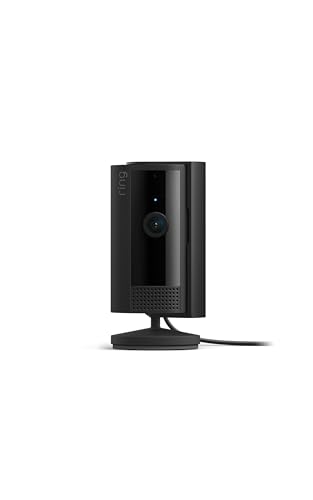
- Video: 1080p HD video with Color Night Vision and Color Pre-Roll
- Field of view: 143 degrees diagonal (115 degrees horizontal, 59 degrees vertical)
- Power: plug-in, indoor adapter with 10 ft USB cable
- Privacy: manual privacy cover that disables camera and microphone
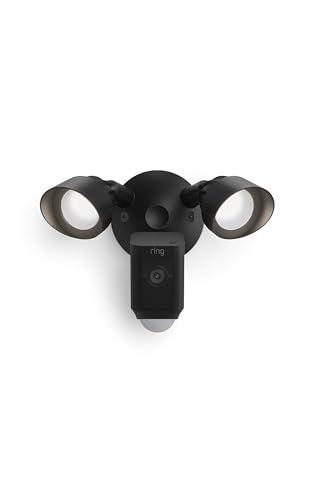
- Video: 1080p HD video with Color Night Vision
- Field of view: 140 degrees horizontal, 78 degrees vertical
- Power: hardwired (100-240 VAC), replaces existing floodlight wiring
- Lighting: two LED floodlights, up to 2,000 lumens, motion-activated
All 4 Picks at a Glance
| Product | Specs | Action |
|---|---|---|
| 1. Ring Battery Doorbell Plus |
| Check price on Amazon |
| 2. Ring Indoor Cam (2nd Gen) |
| Check price on Amazon |
| 3. Ring Floodlight Cam Wired Plus |
| Check price on Amazon |
 5. Ring Spotlight Cam Plus, Battery |
| Check price on Amazon |
Key takeaways
- Compare five Ring cameras side by side: doorbell, indoor, floodlight, stick up and spotlight models, with the specs and features that set each apart.
What's inside
As an Amazon Associate I earn from qualifying purchases. This post may contain affiliate links at no extra cost to you.
Disclosure: As an Amazon Associate, we earn from qualifying purchases made through links on this page, at no extra cost to you.
Ring sells a wide family of cameras that all work inside one app, yet the models differ a great deal in what arrives in the box and what each unit can do on its own. One camera runs for months on a removable battery pack, another needs hardwired power and lights up a whole driveway, and a third is a small plug-in unit built for a shelf indoors. When shoppers hunt for the strongest overall deal in the Ring range, the smarter comparison is not a number on a tag. It is what each model includes: the video resolution, the field of view, the power arrangement, the lighting and siren hardware, and which headline features work without a Ring Home plan and which ones switch on only with one.
This guide compares five current Ring cameras that cover the main jobs around a home: the front door, indoor rooms, the driveway, flexible indoor or outdoor placement, and a lit side yard or garden wall. Every model below is a genuine Ring camera sold on Amazon US, and every figure comes from the specifications Ring and its listings publish. Read the comparison sections first if you are still deciding which type of camera fits your home, then use the individual sections to confirm the details of the model you like.
How to Compare Ring Cameras Fairly
Start with power, because it decides where a camera can live. Battery models such as the Battery Doorbell Plus, the Stick Up Cam Battery and the Spotlight Cam Plus run on Ring’s Quick Release Battery Pack, so they mount almost anywhere and come down for a recharge. Hardwired and plug-in models such as the Floodlight Cam Wired Plus and the Indoor Cam never need charging, but they only work where wiring or an outlet already exists. Neither route is better in general; the right choice follows the spot you want to cover.
Next, look at the video shape rather than resolution alone. The Battery Doorbell Plus records taller Head-to-Toe HD+ video, which keeps both a visitor’s face and a parcel on the step inside one frame. The other four cameras here record 1080p HD in the usual wide shape, which suits rooms, yards and driveways. Field of view figures then tell you how much of the scene each camera sees: doorbell cameras favour a square, head-to-toe view, while the outdoor cameras spread a wider angle across open ground.
Finally, separate the hardware from the plan. Every camera in this guide offers Live View, motion alerts and Two-Way Talk through the Ring app as standard. Ring publishes a second layer of features that belong to its Ring Home plans, including saved video history, person and package alerts on supported models, and richer notifications. A camera with stronger built-in hardware, such as floodlights, a siren or 3D Motion Detection, gives you more on day one, while plan features add depth over time. Comparing models on both layers is the fairest way to judge which one earns its place.
1. Ring Battery Doorbell Plus
- Video: 1536p Head-to-Toe HD+ video with Color Night Vision
- Field of view: 150 degrees horizontal by 150 degrees vertical
- Power: Quick Release Battery Pack, or hardwired to existing doorbell wiring (16-24 VAC)
- Motion: 3D Motion Detection with Bird’s Eye View and customisable motion zones
The Battery Doorbell Plus is Ring’s battery doorbell with Head-to-Toe HD+ video, and it suits front doors where a tall frame matters more than a wide one. Its 150 by 150 degree view shows a visitor from head to toe and keeps deliveries visible on the step, which is exactly the area a standard wide doorbell view tends to crop. Ring builds in 3D Motion Detection with Bird’s Eye View, so the app can show the path a visitor took across the front garden on an aerial-style map, and Color Night Vision keeps the picture in colour after dark when there is some ambient light to work with.
Power is flexible. The doorbell runs on the Quick Release Battery Pack, which slides out for charging without removing the whole unit, and it can also connect to existing doorbell wiring. That makes it a practical pick for renters and for doors with no wiring in place, while wired homes can run it continuously. Package Alerts and other smart alerts sit in the Ring Home plan layer, as Ring publishes them, so the hardware story here is the tall video shape, the motion mapping and the two power options.
2. Ring Indoor Cam (2nd Gen)
- Video: 1080p HD video with Color Night Vision and Color Pre-Roll
- Field of view: 143 degrees diagonal (115 degrees horizontal, 59 degrees vertical)
- Power: plug-in, indoor adapter with 10 ft USB cable
- Privacy: manual privacy cover that disables camera and microphone
The Indoor Cam (2nd Gen) is the small plug-in camera in this line-up, built for shelves, side tables and wall mounting inside the home. It records 1080p HD video with Color Night Vision and a 143 degree diagonal field of view, wide enough to take in most of an average room from a corner. Because it plugs in, it never needs a battery swap, and Ring includes a manual privacy cover that slides across the lens and mutes the microphone when you want the camera fully off.
This is the model that fits nurseries, living rooms and home offices, and it doubles as a way to check on pets during the day with Two-Way Talk. Ring publishes features such as Color Pre-Roll on this generation, which captures a few seconds of colour footage from before a motion event begins, and the built-in siren can be triggered from the app. Saved recordings and the smarter alert types sit in the Ring Home plan layer, while Live View and motion alerts work in the app from the start.
3. Ring Floodlight Cam Wired Plus
- Video: 1080p HD video with Color Night Vision
- Field of view: 140 degrees horizontal, 78 degrees vertical
- Power: hardwired (100-240 VAC), replaces existing floodlight wiring
- Lighting: two LED floodlights, up to 2,000 lumens, motion-activated
The Floodlight Cam Wired Plus is the heavy-duty option in this group, combining a 1080p HD camera with two motion-activated LED floodlights on one hardwired unit. It replaces an existing wired floodlight on a wall or under an eave, and the lights produce up to 2,000 lumens, enough to light a driveway or back garden when motion triggers them. The camera covers a 140 degree horizontal field of view, and Ring adds 3D Motion Detection with Bird’s Eye View plus a 105 decibel siren that you can sound from the app.
Because it is hardwired, there is no battery to manage, which suits busy driveways where a battery camera would need frequent charging. The floodlights also change what the camera can do at night: instead of relying on night vision alone, the unit lights the scene and records in colour. For homes that already have a wired floodlight fitting, this model folds lighting, camera and siren into a single installation, and that combined hardware is where its value sits.
4. Ring Stick Up Cam Battery
The Stick Up Cam Battery is the flexible all-rounder of the Ring range. It works indoors on a flat surface or mounted outside on a wall, runs on the Quick Release Battery Pack, and records 1080p HD video with a 130 degree diagonal field of view. Ring positions it as the camera you can move as needs change: a nursery this year, a back door or garage the next, without running any cable.
Weather resistance lets the same unit handle outdoor duty, and the listing highlights Color Night Vision, custom privacy zones and motion alerts through the app. An optional solar panel connection can keep the battery topped up in a sunny mounting spot, which the listing offers as an accessory rather than part of the camera itself. Among the five models here, this is the one that asks the fewest questions about placement, and households building a first multi-camera setup often start with it for exactly that reason.
Specs
- Video: 1080p HD video with Color Night Vision
- Field of view: 130 degrees diagonal (110 degrees horizontal, 57 degrees vertical)
- Power: Quick Release Battery Pack; optional solar panel connection
- Placement: indoor or outdoor, tabletop or wall mount, weather resistant
- Privacy: customisable privacy zones and motion zones
- Audio: Two-Way Talk
5. Ring Spotlight Cam Plus, Battery
- Video: 1080p HD video with Color Night Vision
- Field of view: 140 degrees diagonal (120 degrees horizontal, 78 degrees vertical)
- Power: Quick Release Battery Pack, with a second battery bay for extended runtime
- Lighting: motion-activated LED spotlights
The Spotlight Cam Plus, Battery takes the battery format and adds built-in LED spotlights, giving outdoor coverage with light where no wiring exists. It records 1080p HD video across a 140 degree diagonal field of view, and its motion-activated spotlights switch on when the camera detects movement, so night footage is lit and recorded in colour. A remote-activated siren rounds out the deterrent hardware.
Power comes from the Quick Release Battery Pack, and the housing accepts a second battery bay for longer runs between charges, which suits high-traffic spots such as side gates and garden paths. Ring publishes 3D Motion Detection for this model line along with colour night vision, and the unit is weather resistant for year-round outdoor mounting. Against the Floodlight Cam, the trade is simple: the Spotlight Cam Plus gives up the always-powered floodlights for installation anywhere, with no electrician and no existing fitting required.
Which Ring Camera Fits Which Spot
For the front door, the Battery Doorbell Plus is the natural choice: its tall frame is shaped for visitors and parcels, and it works with or without doorbell wiring. For indoor rooms, the Indoor Cam (2nd Gen) covers the space for the least fuss, plugs into a standard outlet and adds a physical privacy cover that none of the outdoor models offer. The Floodlight Cam Wired Plus belongs over a driveway or back door where a wired light fitting already exists, and it is the strongest hardware package in this guide.
The Stick Up Cam Battery is the pick when the spot may change, or when one camera needs to serve indoors now and outdoors later. The Spotlight Cam Plus, Battery fits the remaining gap: outdoor walls and fences that need light as well as video but have no wiring to tap into. Many homes end up mixing two types, for example a doorbell at the front and a spotlight or floodlight unit at the back, and all five models share the same app, alerts and plan structure, so a mixed setup behaves as one system.
One last comparison point is the plan layer. Ring publishes that saved video history, person alerts and package alerts on supported models belong to Ring Home plans, while Live View, motion alerts and Two-Way Talk are part of every camera. When you weigh two models against each other, count the hardware first, then decide whether the plan features you want apply equally to both. That order keeps the comparison honest and stops a plan feature from masking a hardware gap.
FAQ
Do Ring cameras work without a Ring Home plan?
Yes. Ring publishes Live View, motion alerts and Two-Way Talk as standard app features on these cameras. A Ring Home plan adds saved video history and advanced alert types such as person and package alerts on supported models.
Which of these cameras need no wiring at all?
The Battery Doorbell Plus, the Stick Up Cam Battery and the Spotlight Cam Plus run on Ring’s Quick Release Battery Pack, so they mount without wiring. The Battery Doorbell Plus can also use existing doorbell wiring if your home has it.
Which camera is best for a driveway?
The Floodlight Cam Wired Plus is built for that job: it is hardwired, lights the area with two LED floodlights and adds a siren. Where no wiring exists, the Spotlight Cam Plus, Battery gives a lit, battery-powered alternative.
Can these cameras record in colour at night?
Yes. All five models list Color Night Vision, and the Floodlight Cam Wired Plus and Spotlight Cam Plus also light the scene with their own lamps, which helps them capture colour footage after dark.
Related guides
More from Amazon
Programs that pair well with the guide above. Offers and eligibility are set by Amazon and may change.
Free shipping on eligible items, Prime Video and more. Eligible new members can start with a free trial.
Start a Prime free trialAudiobooks and podcasts to listen to on the go. Eligible new members can start with a free trial.
Try Audible freeAd-free music streaming. Eligible new subscribers can start with a free trial.
Try Music Unlimited freeA free business account with business pricing and bulk-buying tools for work, shop or home office.
Create a business accountAs an Amazon Associate we earn from qualifying purchases.










Write Your Review
No reviews yet. Be the first to share your experience!