
Our Short List of 3

- Best for: Small crews shooting a feature with a raw workflow and a deliberate lighting plan.
- Super 35 sensor with 6K resolution
- Records Blackmagic RAW and ProRes internally
- 13 stops of dynamic range
- Dual native ISO

- Best for: Run-and-gun feature shoots that need a compact body with serious cinema recording.
- 26MP APS-C sensor with 6K oversampling for 4K
- 4K recording up to 120 frames per second
- 10-bit 4:2:2 internal recording
- S-Cinetone and S-Log3 picture profiles

- Best for: Filmmakers who need one body for 8K feature footage and high-resolution stills.
- 45MP full-frame sensor
- 8K RAW recording up to 60 frames per second
- 4K recording up to 120 frames per second
- Canon Log 3
All 5 Picks at a Glance
| Product | Specs | Action |
|---|---|---|
| Blackmagic Pocket Cinema Camera 6K |
| Check price on Amazon |
| Sony FX30 |
| Check price on Amazon |
| Canon EOS R5 C |
| Check price on Amazon |
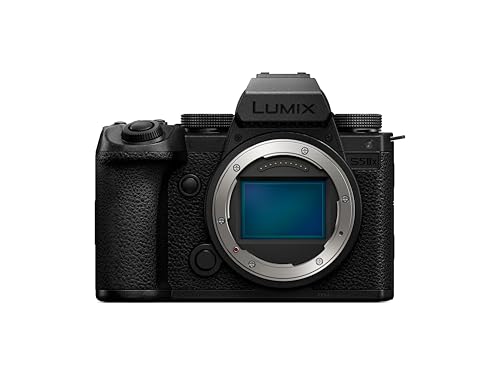 Panasonic Lumix S5 IIX |
| Check price on Amazon |
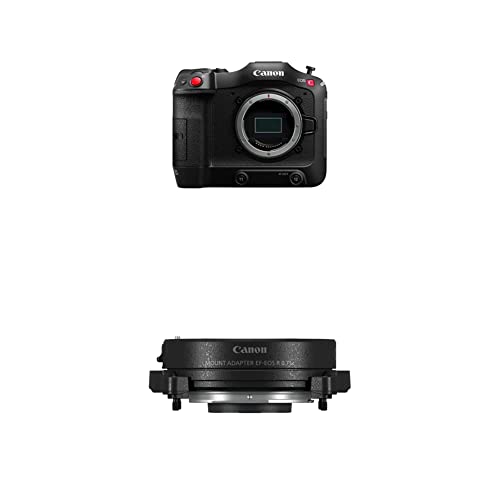 Canon EOS C70 |
| Check price on Amazon |
Key takeaways
- Find the best cameras for feature film production, from dedicated cinema bodies to hybrid mirrorless picks, with the specs that matter on set.
What's inside
As an Amazon Associate I earn from qualifying purchases. This post may contain affiliate links at no extra cost to you.
A feature film asks a camera to do far more than record sharp images. The body has to hold focus through long takes, survive twelve-hour shoot days, record a codec that grades cleanly in post, and capture audio that does not need rescuing later. The wrong choice shows up weeks after the shoot, when footage falls apart in the grade or sound drifts out of sync. That is why the decision is less about the newest sensor and more about the whole workflow the camera forces on the crew.
This guide is written for independent directors, cinematographers, and small production teams choosing a camera for a feature. Every pick below is a real camera body or kit listed on Amazon, chosen from the names and specifications shown on its product page, with the traits that matter on a feature set: sensor size, recording format, dynamic range, and audio.
Quick Picks
As an Amazon Associate we earn from qualifying purchases
| Product | Best for | Key spec from title |
|---|---|---|
| Blackmagic Pocket Cinema Camera 6K | Raw workflow on a small crew | 6K Super 35 sensor |
| Sony FX30 | Compact cinema rig for run-and-gun scenes | 4K 120p APS-C cinema camera |
| Canon EOS R5 C | Hybrid shooters who also need stills | 8K RAW full-frame cinema camera |
| Panasonic Lumix S5 IIX | Open-gate and ProRes recording | 6K open gate full-frame |
| Canon EOS C70 | Documentary-style features with pro audio | Super 35mm DGO sensor cinema camera |
How to Choose
Sensor Size and Look
Sensor size shapes the image more than megapixels do. A Super 35 sensor gives the classic cinema field of view and depth of field that audiences associate with feature films, while a full-frame sensor adds shallower depth of field and stronger low-light performance. Smaller sensors demand faster lenses to get the same separation. Decide the look before the body: if the script calls for intimate close-ups with soft backgrounds, a larger sensor helps, while a Super 35 body keeps lenses smaller and the rig lighter on location.
Recording Format and Codec
The codec decides how much freedom the editor and colorist keep. Raw formats hold the most detail and survive heavy grading, while compressed formats save storage and edit faster on modest computers. For a feature, a camera that records 10-bit color internally is a sensible floor, because 8-bit footage breaks apart when the grade pushes exposure or color. Check the recording limits too: some bodies stop after a set time or overheat, which ruins long takes and interview scenes. Also confirm the media type and write speed the camera requires, since slow cards can interrupt a take at the worst moment.
Dynamic Range and Low Light
Dynamic range is the difference between a window that blows out white and one that still shows the street outside. Cinema cameras with dual native ISO or a dual gain sensor hold highlight and shadow detail in the same frame, which matters when lighting budgets are thin. Low-light sensitivity matters just as much on night exteriors and practical-lit interiors. Look at the native ISO range and whether the camera offers a log profile, since log recording preserves more range for the grade.
Audio, Power, and Rigging
A feature set runs on sound, power, and mounting points. Built-in XLR inputs or a clean audio path save the production from syncing separate recorders on every setup, while a camera with only a small mic jack forces extra gear. Battery life and media costs add up across a shoot, so check how long one battery lasts and what cards the camera writes to. A body with mounting threads, a fan, and a screen that flips for the operator keeps the crew moving instead of fighting the camera.
The 5 Best Options
Blackmagic Pocket Cinema Camera 6K
- Best for: Small crews shooting a feature with a raw workflow and a deliberate lighting plan.
- Super 35 sensor with 6K resolution
- Records Blackmagic RAW and ProRes internally
- 13 stops of dynamic range
- Dual native ISO
Small crews shooting a feature with a raw workflow and a deliberate lighting plan.
Battery life is short, so budget for external power and extra media before the first shoot day.
The Pocket Cinema Camera 6K fits small crews that want a genuine cinema image without a cinema-sized budget or body. Its Super 35 sensor and raw recording give the colorist room to shape the picture, and the EF mount opens up a deep pool of affordable lenses. The camera rewards a crew that plans its shots and lights deliberately, since it behaves like a cinema tool rather than a point-and-shoot. Pair it with a cage, an external battery, and a monitor for a workable feature rig.
Watch out for: Battery life is short, so budget for external power and extra media before the first shoot day.
Sony FX30
- Best for: Run-and-gun feature shoots that need a compact body with serious cinema recording.
- 26MP APS-C sensor with 6K oversampling for 4K
- 4K recording up to 120 frames per second
- 10-bit 4:2:2 internal recording
- S-Cinetone and S-Log3 picture profiles
Run-and-gun feature shoots that need a compact body with serious cinema recording.
The APS-C sensor needs faster glass than full-frame for the same shallow depth of field.
The FX30 suits directors who need a compact cinema camera that moves fast between locations. Its APS-C sensor oversamples 6K into detailed 4K, and the 10-bit recording holds up under grading. The body is small enough to rig on a gimbal or slip into a tight space, yet it carries the cinema features that matter: log profiles, a fan for long recording, and timecode support. It is a strong fit for dialogue-heavy features shot on the move.
Watch out for: The APS-C sensor needs faster glass than full-frame for the same shallow depth of field.
Canon EOS R5 C
- Best for: Filmmakers who need one body for 8K feature footage and high-resolution stills.
- 45MP full-frame sensor
- 8K RAW recording up to 60 frames per second
- 4K recording up to 120 frames per second
- Canon Log 3
Filmmakers who need one body for 8K feature footage and high-resolution stills.
8K raw files are very large, so storage and editing hardware need to keep pace.
The R5 C serves filmmakers who shoot a feature and also need high-resolution stills from the same body. It records 8K raw internally and 4K at high frame rates, with Canon Log 3 for a flexible grade. Dual Pixel autofocus tracks faces reliably through dialogue scenes, and the active cooling fan keeps long takes recording where a stills-first body would stop. It is the pick when one camera must cover both the poster shoot and the production.
Watch out for: 8K raw files are very large, so storage and editing hardware need to keep pace.
Panasonic Lumix S5 IIX
- Best for: Productions that want open-gate framing and ProRes recording in a mirrorless body.
- 24.2MP full-frame sensor
- 6K open-gate recording
- 5.9K ProRes internal recording
- 4K recording up to 120 frames per second
Productions that want open-gate framing and ProRes recording in a mirrorless body.
Open-gate files need planning in the edit, since framing decisions shift to post-production.
The S5 IIX appeals to productions that want open-gate recording and ProRes without stepping up to a dedicated cinema body. Its full-frame sensor captures a wide frame that can be reframed for different aspect ratios in post, and internal ProRes recording simplifies the editing pipeline. Phase-detect autofocus keeps subjects sharp during movement, and the in-body stabilization steadies handheld work. It is a practical middle ground between mirrorless convenience and cinema capability.
Watch out for: Open-gate files need planning in the edit, since framing decisions shift to post-production.
Canon EOS C70
- Best for: Documentary-style features and long shoot days where pro audio and ND filters save time.
- 4K Super 35mm Dual Gain Output sensor
- 16+ stops of total dynamic range
- Built-in ND filters
- Dual Pixel CMOS AF
Documentary-style features and long shoot days where pro audio and ND filters save time.
The body is larger and heavier than mirrorless options, so the rig and support gear matter more.
The C70 is the most production-ready body here for crews that shoot documentary-style features or long days with minimal support. Its Super 35 dual gain sensor delivers wide dynamic range, built-in ND filters handle changing light without swapping glass, and mini-XLR inputs bring professional audio straight into the camera. The RF mount accepts a broad lens range, and the included EF adapter keeps older cinema glass in play. It behaves like a cinema camera because it is one.
Watch out for: The body is larger and heavier than mirrorless options, so the rig and support gear matter more.
Which One Fits Your Situation
Shooting a Micro-Budget Feature With a Tiny Crew
Pick the Blackmagic Pocket Cinema Camera 6K. Raw recording and the Super 35 sensor give a small crew a genuine cinema image, and the EF mount keeps lens costs down because affordable glass is everywhere. Plan for external power, extra media, and a monitor, since the bare body is only the starting point of the rig and a feature shoot punishes an unprepared kit.
Moving Fast Between Locations
Pick the Sony FX30. The compact body, fan cooling, and 10-bit 4K recording suit dialogue scenes shot on the move, and the E-mount lens range covers wide interiors and tight exteriors without a heavy kit. A small rig also means faster setups between locations, so the crew spends the day shooting instead of rebuilding the camera after every move.
Covering Stills and Motion With One Body
Pick the Canon EOS R5 C. Its 8K raw video and 45MP stills let one camera serve the production and the poster shoot, while Dual Pixel autofocus and active cooling keep long takes reliable through dialogue scenes. One body also simplifies the kit list, since the same lenses, batteries, and cards cover both jobs instead of splitting the budget across two systems.
Needing Pro Audio and ND Filters Built In
Pick the Canon EOS C70. Mini-XLR inputs and built-in ND filters cut setup time on every scene, and the Super 35 dual gain sensor holds dynamic range in uncontrolled light. The camera is built for long days with minimal support, so a documentary-style feature can keep moving without stopping to rig audio recorders or swap filters between setups.
Common Mistakes
- Choosing a camera for its resolution alone while ignoring the codec and how it grades in post.
- Forgetting audio: a beautiful image with unusable sound still needs expensive fixes.
- Underestimating storage and battery needs across a multi-week shoot.
- Buying lenses after the body without checking mount compatibility and focus behavior.
- Skipping a test shoot with the exact codec, lighting, and grade the feature will use.
Frequently Asked Questions
Do I need a cinema camera for a feature film?
No, but a cinema-oriented body helps where it counts: codecs that grade cleanly, reliable long recording, and pro audio inputs. Many features are shot on mirrorless bodies with the right settings, lenses, and lighting, so the workflow matters more than the label on the camera.
Is raw recording necessary for a feature?
Raw gives the colorist the most room, but it is not mandatory. Well-recorded 10-bit log footage grades beautifully for most independent features, and it edits faster with far less storage. Choose raw when the look demands heavy grading or exposure recovery.
How important is sensor size for a feature?
Sensor size shapes depth of field, low-light behavior, and lens choices, so it matters, but it is not the whole picture. A Super 35 sensor is the cinema standard and keeps lenses affordable, while full-frame adds shallower depth of field. Pick the look first, then the sensor.
Should I rent or buy the camera for a feature?
Renting suits a one-off production with a fixed shoot window, since the budget goes to the body, lenses, and support gear together. Buying makes sense when the camera will serve several projects or the shoot stretches over months. Either way, test the exact setup before the first shoot day.
Related guides
More from Amazon
Programs that pair well with the guide above. Offers and eligibility are set by Amazon and may change.
Free shipping on eligible items, Prime Video and more. Eligible new members can start with a free trial.
Start a Prime free trialAudiobooks and podcasts to listen to on the go. Eligible new members can start with a free trial.
Try Audible freeAd-free music streaming. Eligible new subscribers can start with a free trial.
Try Music Unlimited freeA free business account with business pricing and bulk-buying tools for work, shop or home office.
Create a business accountAs an Amazon Associate we earn from qualifying purchases.










Write Your Review
No reviews yet. Be the first to share your experience!