
Key takeaways
- Five wide-fit stability running shoes for overpronation, each with a wide version named in its listing, compared on width options, support and room.
What's inside
As an Amazon Associate I earn from qualifying purchases. This post may contain affiliate links at no extra cost to you.
For a runner with wide feet that roll inward, the real decision is not whether to buy a stability shoe but which width grade to buy it in. A support shoe in a medium last that squeezes the forefoot will feel wrong from the first mile, however good its cushioning is, and most runners stop wearing it. The five shoes below are stability models whose Amazon listings name a Wide, 2E, 4E or X-Wide version, so the width on the box matches the foot going into it.
This guide is for wide-footed runners who overpronate: daily trainers replacing a worn-out pair, run-walkers who spend stretches on their feet, and runners who use orthotics and need a flat, stable base with room for an insert. Every pick was chosen from the name and specifications on its Amazon product page, and each listing names the wide variant, so what you order is the wide version rather than a medium shoe with a wide-sounding name.
Quick Picks
As an Amazon Associate we earn from qualifying purchases
| Product | Best for | Key spec from title |
|---|---|---|
| New Balance Men’s Fresh Foam X 860 V14 (Wide) | Everyday training miles in a true wide fit | Fresh Foam X cushioning; Wide (W) named in the listing title |
| HOKA Men’s Arahi 8 (Wide) | A softer, lighter-feeling cushioned stability shoe | Wide fit; softer materials than the Arahi 7 per the listing |
| New Balance Men’s 1540 V3 (Wide) | Maximum rear-foot control, including orthotic users | ENCAP cushioning and ROLLBAR stability; Wide (W) |
| Brooks Men’s Addiction GTS 15 (X-Wide) | The roomiest fit with the strongest support here | X-Wide variant; maximum-support class |
| Saucony Men’s Guide 17 (Wide) | The lightest, least bulky stability option | Wide fit named in the listing title |
How to Choose
Match the width grade to your foot, not the label
Wide is a label, not a measurement, and each brand grades it differently. New Balance lists the 860 V14 in a Wide (W) and also sells X-Wide versions of the same shoe, so you pick a letter. HOKA’s Arahi 8 wide is a single wide last with no graded steps above it. Saucony’s wide, by contrast, sits closer to a roomy medium. If you already know your New Balance letter, start from the brands that grade the same way. If you only know that medium shoes pinch your forefoot, treat the first order as a fit check and confirm the variant title names the exact width you meant to buy.
Decide how much support structure you actually want
The five picks split into two camps. The 1540 V3 is a motion-control class shoe with ENCAP cushioning and ROLLBAR stability named in its listing copy, and the Addiction GTS 15 sits in its maker’s maximum-support class. The Guide 17 and Arahi 8 are stability trainers with a lighter build. More structure usually means a firmer, steadier feel under the rear foot and a heavier shoe overall; less structure feels easier on short, easy runs. Neither camp is a prescription. Match the class to your mileage and to how much shoe you like under you, and let comfort on your own runs be the test.
Read what the listing states, and what it leaves out
Every specification in this guide comes from the product’s Amazon page, and the gaps are worth noticing: none of the five listings states a heel-to-toe drop or a weight in the captured text, so this guide does not print any. That discipline matters when you shop, because figures quoted for a different model year or for the medium-width variant do not describe the wide shoe on the page in front of you. Before ordering, re-read the variant title for your size and width, and treat any number the listing itself does not state as unknown rather than filling it in from a review.
Plan around inserts, socks and stock
If you run in orthotics, width is only half the fit question; you also need depth and a flat, stable base that lets an insert sit properly, which is why the 1540 V3 appears below. Thick cushioned socks eat room too, so judge fit wearing the socks you actually run in. Stock is the other planning point. One pick here is a discontinued model whose remaining sizes are older inventory, and wide sizes of popular trainers sell through first. Confirm that your size exists in the wide variant, not just in the model, before you settle on a favourite and start comparing the rest against it.
The 5 Best Options
New Balance Men’s Fresh Foam X 860 V14 Running Shoe (Wide)

The 860 V14 is the easiest recommendation in this group because it is a current, mainstream stability trainer that treats wide as a standard option rather than a special order. The listing names the Wide (W) variant in its title, and X-Wide versions are listed in the same line, so most wide-footed overpronators can land on a grade that genuinely fits instead of sizing up in a medium. Fresh Foam X cushioning is named in the product name, and the shoe suits daily training miles where steady support matters more than a featherweight feel.
Specs
- Fit: Men’s version, Wide (W) width named in the listing title
- Cushioning: Fresh Foam X, named in the product name
- Width range: X-Wide versions are also listed in the same line
- Heel-to-toe drop: Not stated in the listing
- Weight: Not stated in the listing
Best for: wide-footed overpronators who want a mainstream stability trainer that actually comes in their width.
Watch out for: New Balance width letters run generous, so confirm whether W or XW matches your usual fit before ordering.
ASIN: B0C352VVDY
HOKA Men’s Arahi 8 (Wide)
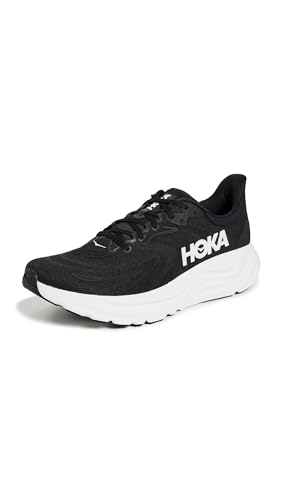
The Arahi 8 is the pick for runners who want stability without the stiff, built-up feel of older motion-control shoes. HOKA names this variant Wide in the listing title, places it in the road running category, and describes softer materials than the Arahi 7, which points to a cushioned ride for daily miles and long walks. Because HOKA’s wide is one wide last rather than graded 2E and 4E steps, it suits moderately wide feet best; very wide feet get more graded choice from the New Balance and Brooks picks in this list.
Specs
- Fit: Men’s version, Wide width named in the listing title
- Use: Road running, per the Amazon category on the variant page
- Ride: Softer materials than the Arahi 7, per the listing copy
- Heel-to-toe drop: Not stated in the listing
- Weight: Not stated in the listing
Best for: wide-footed runners who want a light, cushioned stability shoe rather than a heavy motion-control design.
Watch out for: HOKA wide is a single wide last, not 2E/4E graded, so very wide feet should compare picks one, three and four first.
ASIN: B0DN59RT7Z
New Balance Men’s 1540 V3 Running Shoe (Wide)

The 1540 V3 is the maximum-control end of this lineup: a motion-control class shoe, in a Wide (W) fit, whose listing copy names ENCAP midsole cushioning and ROLLBAR stability technology. Its flat, stable base also makes it the natural home for orthotics, as a matter of fit. The trade-off is availability. Listing copy notes that US production of this model ceased in April 2021, so what remains is older inventory with patchy size coverage. If your size in the wide fit is listed, it is a strong support pick; if it is not, do not settle for the medium instead.
Specs
- Fit: Men’s version, Wide (W) named in the title
- Cushioning: ENCAP midsole cushioning, named in listing copy
- Stability: ROLLBAR technology, named in listing copy
- Class: Motion-control
- Availability note: US production ceased in April 2021 per listing copy, so remaining stock is older inventory
- Heel-to-toe drop: Not stated in the listing
- Weight: Not stated in the listing
Best for: runners needing maximum rear-foot control and a genuinely wide fit, including orthotic users whose inserts need a flat, stable base.
Watch out for: Discontinued US production means sizes are patchy and often third-party-only, so check your wide size exists before committing.
ASIN: B07RNXGLLR
Brooks Men’s Addiction GTS 15 Supportive Running Shoe (X-Wide)

The Addiction GTS 15 is built for runners who want the strongest stated support in a genuinely roomy fit. The variant here is the X-Wide, the widest fit in this guide, and the maker positions the model in its maximum-support class for running and walking. That makes it the option for pronounced inward roll and long days on your feet, where a lighter stability shoe can feel underbuilt. The captured listing text does not state the support technology by name, so judge this shoe on its stated support class and its X-Wide fit rather than on branded feature names.
Specs
- Fit: Men’s version, X-Wide variant named in the retailer title
- Support class: Maximum support, per the maker’s positioning for running and walking
- Support technology: Not stated in the captured listing text
- Heel-to-toe drop: Not stated in the listing
- Weight: Not stated in the listing
Best for: the strongest-support option here for pronounced overpronation in a wide fit, for running and long walks.
Watch out for: Conflicting codes for this model circulate on third-party pages, so confirm the listing matches this exact X-Wide model before ordering.
ASIN: B08QYF65KY
Saucony Men’s Guide 17 (Wide)

The Guide 17 is the lightest-feeling direction in this group: a stability trainer whose listing names a Wide version, with X-Wide also sold in the same line. It suits wide-footed runners who find motion-control shoes heavy and overbuilt for their mileage, and who want stated support features in a less bulky package for daily training. The captured listing text does not state its support technology, drop or weight, so the honest pitch here is fit and class: a wide-named stability shoe from an established line, with no invented numbers attached to it.
Specs
- Fit: Men’s version, Wide width named in the listing title
- Width range: The Guide line is also sold in X-Wide
- Support technology: Not stated in the captured listing text
- Heel-to-toe drop: Not stated in the listing
- Weight: Not stated in the listing
Best for: wide-footed runners who want the lightest, least bulky stability shoe in this wide lineup.
Watch out for: Saucony’s wide is closer to a roomy medium than New Balance 2E, so buyers between widths should compare the first pick here first.
ASIN: B0C355HYZN
Which One Fits Your Situation
You replace daily trainers two or three times a year
Start with the New Balance 860 V14 in Wide. It is a current model rather than leftover stock, it comes in graded widths so a replacement pair is easy to match, and its Fresh Foam X cushioning suits the steady daily miles that wear trainers out. Buy the width letter you already wear in New Balance if you know it, and only step up to the X-Wide version if the Wide still pinches across the forefoot.
You want a soft, cushioned ride for runs and long walks
Choose the HOKA Arahi 8 in Wide. Its listing describes softer materials than the model it replaces, and the shoe is built as a road running trainer, so the support comes in a lighter, more cushioned package than the motion-control picks. It is the comfortable middle ground here: stated stability for feet that roll inward, without the firm, built-up feel that puts some runners off maximum-control shoes.
You run or walk with orthotics in your shoes
Look at the New Balance 1540 V3 first. Its flat, stable base and motion-control build give an insert a steady platform, and the Wide fit leaves room for the extra volume an orthotic takes up. Because the model is discontinued and sizes are patchy, check your wide size early; if it has gone, the Brooks Addiction GTS 15 in X-Wide is the fallback with the most room and the strongest stated support class.
Your feet sit at the very wide end of the scale
Go straight to the Brooks Addiction GTS 15 in X-Wide, the widest named variant in this guide, paired with the maximum-support positioning in its maker’s line. The New Balance 860 V14 is the alternative, since its line also lists X-Wide versions in a more conventional daily trainer. Skip the single-last wides until you have tried a graded X-Wide: a wide that is not wide enough will feel like the medium shoe you are replacing.
Common Mistakes
- Ordering the medium-width version of a stability model because the wide variant sits on a separate listing with its own title.
- Assuming the word wide means the same volume at every brand, when one maker’s wide is another maker’s roomy medium.
- Treating a maximum-control shoe as automatically better, instead of matching the support class to the miles you actually run.
- Quoting drop or weight figures from a different model year or variant when the wide listing itself does not state them.
- Falling for a discontinued model before checking that your size still exists in the wide fit, since wide sizes sell through first.
Frequently Asked Questions
What does overpronation change about the shoe I should buy?
Overpronation means the foot rolls inward after it lands, so listings for stability and motion-control shoes state support features intended to keep the ride feeling steady. Width is a separate decision on top of that: the support only sits where it should if the foot is not squeezed, which is why every pick here is a named wide variant rather than a medium shoe in a bigger size.
Is a shoe labelled wide the same as a 2E or 4E?
Not reliably. Brands grade width differently: New Balance uses letters such as W and XW, HOKA offers a single wide last on the Arahi 8, and Saucony’s wide runs closer to a roomy medium. The listing title is the ground truth, so check that it names the exact variant you intend to order, and compare against the brand you already wear rather than trusting the word wide on its own.
Can I use my orthotics in one of these shoes?
Often, yes, as a matter of fit: a flat, stable base such as the 1540 V3 gives an insert a steady platform, and a wide fit leaves room for its volume. Take your orthotics when you check the fit, confirm the heel holds securely, and remember that a shoe is comfort and support gear, not a treatment. Questions about the insert belong with the clinician who prescribed it.
When should I see a clinician instead of changing shoes?
See a podiatrist or clinician if pain persists despite a well-fitting shoe, keeps getting worse, or changes the way you walk, or if you notice numbness or swelling that does not settle. Shoes like these are chosen for comfort and stated support features; they do not treat, cure or prevent any condition. A professional can check whether something beyond footwear is going on and advise you properly.
Related guides
More from Amazon
Programs that pair well with the guide above. Offers and eligibility are set by Amazon and may change.
Free shipping on eligible items, Prime Video and more. Eligible new members can start with a free trial.
Start a Prime free trialAudiobooks and podcasts to listen to on the go. Eligible new members can start with a free trial.
Try Audible freeAd-free music streaming. Eligible new subscribers can start with a free trial.
Try Music Unlimited freeA free business account with business pricing and bulk-buying tools for work, shop or home office.
Create a business accountAs an Amazon Associate we earn from qualifying purchases.









Write Your Review
No reviews yet. Be the first to share your experience!