
Our Short List of 3
All 4 Picks at a Glance
| Product | Specs | Action |
|---|---|---|
 Tapo C211 (ASIN: B0CD9ZP7Z2) | Check price on Amazon | |
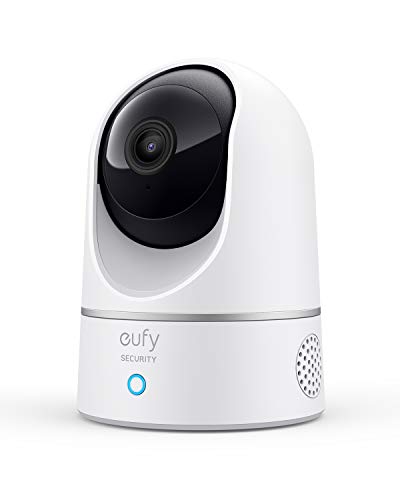 eufy Security Indoor Cam E220 (ASIN: B0856W45VL) | Check price on Amazon | |
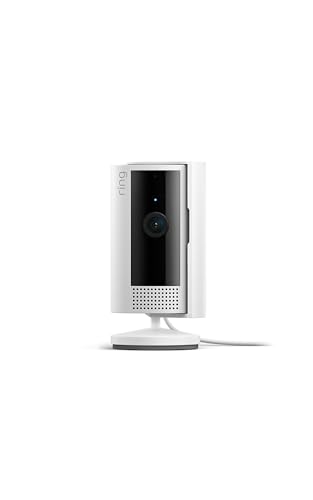 Ring Indoor Cam (2nd Gen) (ASIN: B0B6GLQJMV) | Check price on Amazon | |
 Blink Mini 2 — 2 Cameras, White (ASIN: B0BWX1D2DW) | Check price on Amazon |
Key takeaways
- Compare the best wireless indoor home security cameras for live view, pets and nurseries, with pan and tilt picks, 2K options and local storage choices.
What's inside
As an Amazon Associate I earn from qualifying purchases. This post may contain affiliate links at no extra cost to you.
Disclosure: As an Amazon Associate, we may earn from qualifying purchases made through links on this page, at no additional cost to you.
Best Wireless Indoor Home Security Cameras: 4 Wi-Fi Picks for Rooms, Pets and Nurseries
An indoor camera earns its place when it answers a simple question at any hour: what is happening in that room right now? Whether you want to check a sleeping baby, watch a dog that raids the kitchen counter, or confirm that an unlocked door stayed shut, a wireless indoor camera connects over Wi-Fi and sends live video and motion alerts to your phone. In this category, “wireless” describes the network connection rather than the power source. Every pick below plugs into a wall outlet, so it can record around the clock without battery swaps; the trade-off is that placement stays within reach of a socket and its cable.
The four cameras here cover the main shapes an indoor setup takes. Two pan and tilt on motorized mounts, so one device can sweep a whole room and follow movement across it. The other two are fixed-lens models that trade movement for a wide field of view and a smaller footprint. Resolution splits between 2K models that hold detail when you zoom into a recorded clip and 1080p models that lean on wider ecosystems of doorbells and voice assistants. Storage is the other dividing line: two picks record to a local memory card with no plan required, while the other two are built around cloud recording. Weighing coverage, clarity, storage, and privacy against your own rooms will point you to the right one quickly.
Quick Picks
- Tapo C211 (ASIN: B0CD9ZP7Z2) — 2K pan and tilt coverage with motion tracking, person detection, and local recording to a memory card.
- eufy Security Indoor Cam E220 (ASIN: B0856W45VL) — 2K pan and tilt camera with on-device human and pet detection, plus local, cloud, and NAS storage options.
- Ring Indoor Cam (2nd Gen) (ASIN: B0B6GLQJMV) — Compact 1080p camera with a manual privacy cover and Advanced Pre-Roll, made for homes already using Ring and Alexa.
- Blink Mini 2, 2 Cameras, White (ASIN: B0BWX1D2DW) — A pair of small fixed-lens 1080p cameras with a built-in spotlight for color night view and a wide 143-degree field of view.
The Picks in Detail
Tapo C211 (ASIN: B0CD9ZP7Z2)
The Tapo C211 is a pan and tilt camera built around a 2K sensor with an effective still resolution of 3 megapixels. Its motorized mount rotates a full 360 degrees horizontally and tilts 114 degrees vertically, and the app lets you sweep the room manually or set the camera to track a moving subject and keep it in frame. Person and motion detection send alerts to your phone, customizable activity areas let you ignore a busy doorway, and a baby crying detection mode makes the camera double as an audio-aware nursery monitor. Two-way audio is built in, and a siren and light alarm can be triggered from the app.
For storage, the C211 records continuously to a microSD card of up to 512 GB (card not included), with the maker’s Tapo Care cloud service available as an option rather than a requirement. It connects over 2.4 GHz Wi-Fi, works with Alexa and Google Assistant for voice-controlled viewing on smart displays, and supports RTSP and ONVIF for households running a separate recorder. Power comes from a corded 9-volt adapter; the body measures 3.36 by 3.42 by 4.63 inches and ships with a mounting template and screws. Amazon’s product information lists its usage as indoor only.
Highlights
– 2K video with 360-degree pan and 114-degree tilt for whole-room coverage from one device
– Person detection, motion tracking, and baby crying detection on the camera
– Local recording to a microSD card up to 512 GB, with cloud storage optional
– Two-way audio plus a built-in siren and light alarm
Considerations
– Plug-in power only, so placement depends on outlet reach
– Works on 2.4 GHz Wi-Fi networks; check your router band before setup
– Memory card is not included in the box
eufy Security Indoor Cam E220 (ASIN: B0856W45VL)
The eufy Indoor Cam E220 is the second pan and tilt model here, recording 2K video from a 3-megapixel sensor and covering a full 360-degree field of view as it pans. When motion is detected, the camera automatically tracks and follows the moving object, and its on-device detection distinguishes humans and pets and can flag the sound of a baby crying, which keeps alerts more relevant than plain motion triggers. Two-way audio lets you speak through the camera in real time, activity zones limit detection to the parts of the room you care about, and infrared night vision reaches 32.8 feet for after-dark checks.
Storage is flexible: recordings can stay local on a microSD card, go to the maker’s cloud, or stream to a network recorder over RTSP, and the camera is also compatible with the maker’s HomeBase 3 hub for storage. It works with Apple HomeKit as well as Alexa and Google Assistant, the natural pick for a mixed-platform household. The E220 is plug-in powered over USB, connects on 2.4 GHz Wi-Fi only, and measures 2.97 by 2.97 by 4.21 inches. Its listing states plainly that it is not water resistant, so it belongs indoors.
Highlights
– 2K pan and tilt video with automatic motion tracking
– On-device human, pet, and crying detection for more useful alerts
– Local card, cloud, and NAS recording options, plus HomeBase 3 compatibility
– Works with Apple HomeKit, Alexa, and Google Assistant
Considerations
– 2.4 GHz Wi-Fi only; it does not join 5 GHz networks
– Indoor use only, with no water resistance
– Some hub and HomeKit features depend on additional hardware or plans from the maker
Ring Indoor Cam (2nd Gen) (ASIN: B0B6GLQJMV)
The Ring Indoor Cam (2nd Gen) takes the fixed-lens route: a compact 1080p HD camera, 1.93 by 1.93 by 3.81 inches including its stand, that watches a room from a table, shelf, wall, or ceiling mount with a swivel base for aiming. It records with Live View and color night vision, and its Advanced Pre-Roll feature captures a few extra seconds of video before each motion event so alerts show more of what led up to the movement. Real-time motion alerts go to the Ring app, and the camera works with Alexa for announcements and for streaming video to compatible Echo devices with screens.
Its standout feature is privacy hardware rather than software: a manual privacy cover swivels over the lens and switches off both camera and microphone, then reactivates with the same motion, so the room is verifiably unwatched when you want it to be. The Indoor Cam is plug-in powered, connects over 2.4 GHz Wi-Fi, and its flexible mount makes it easy to move between rooms. This white variant is also sold in black.
Highlights
– Manual privacy cover physically blocks the lens and disables the microphone
– Advanced Pre-Roll adds seconds of context before motion events
– Color night vision and 1080p HD live view in a very small body
– Deep integration with Ring doorbells and Alexa devices
Considerations
– Recorded video history requires the maker’s subscription plan; there is no local card storage
– Fixed lens, so one camera covers one viewpoint rather than sweeping a room
– Works within the Ring and Alexa ecosystem only
Blink Mini 2 — 2 Cameras, White (ASIN: B0BWX1D2DW)
This listing bundles two Blink Mini 2 cameras, the smallest devices here at 51 by 51 by 40 millimeters each, a practical way to cover two rooms in one purchase. Each camera records 1080p HD video at up to 30 frames per second through a fixed lens with a wide 143-degree diagonal field of view, wide enough that a corner placement takes in most of a typical room without motorized movement. A built-in spotlight enables color night view after dark, backed by infrared for black-and-white night vision, and two-way audio lets you talk through either camera from the Blink app.
The Mini 2 plugs into power over USB-C and connects on 2.4 GHz Wi-Fi. Motion alerts arrive in real time, and person detection with embedded computer vision is available as part of the maker’s optional subscription plan. Clips can be stored in the cloud under that plan, or backed up locally with a Sync Module 2 and a USB drive or a Sync Module XR and a microSD card, all sold separately. The cameras also work with Alexa and can serve as a plug-in chime for the maker’s video doorbell.
Highlights
– Two cameras in one listing for multi-room coverage
– 143-degree field of view covers a room corner to corner without panning
– Built-in spotlight gives color night view; infrared covers full darkness
– Tiny plug-in body that also works as a chime for the maker’s doorbell
Considerations
– Person detection and cloud clip storage sit behind the optional subscription plan
– Fixed lens with no pan or tilt, so aiming at setup is final
– Alexa ecosystem only; no Google Assistant or HomeKit support
How to Choose
Start with coverage. A pan and tilt camera such as the Tapo C211 or the eufy E220 can survey an open-plan living space, follow a pet across the floor, and check several doors from one mounting point. A fixed camera such as the Ring Indoor Cam or Blink Mini 2 suits a single defined viewpoint, a crib, a front hallway, a pet’s bed, where nothing outside that frame matters. Next, decide how recordings should be stored. If keeping footage inside the house matters, the two pan and tilt picks record to a local memory card, and the eufy adds NAS and hub options. If you prefer recordings kept off-site, the Ring and Blink models are built around their makers’ cloud plans, with Blink also offering a local backup route through a separate sync module.
Then check the platforms you already use. Alexa households can pull up any of these four feeds on an Echo Show, but only the eufy E220 also speaks to Apple HomeKit and Google Assistant, and the Tapo C211 covers Alexa and Google Assistant. Finally, think about privacy and placement: a physical cover, like the one on the Ring Indoor Cam, suits rooms where people want an obvious off state. All four cameras are plug-in models, so map your outlets before choosing mounting spots, and confirm your router offers a 2.4 GHz band.
Key Specifications Explained
Resolution. 2K cameras record more pixels than 1080p models, which matters most when you zoom into a saved clip to read a face across the room. For a live glance at a phone screen, 1080p is usually enough and uses less bandwidth and storage.
Field of view and pan range. A fixed camera’s view is set at setup: the Blink Mini 2 sees 143 degrees diagonally, while the Ring Indoor Cam frames a narrower slice. Pan and tilt models trade a narrower instant view for a much larger total sweep, up to a full 360-degree rotation on the Tapo C211 and eufy E220.
Night vision. Infrared night vision renders the room in black and white using invisible light, reaching about 33 feet on the eufy E220. A built-in spotlight, as on the Blink Mini 2, trades stealth for color images after dark. Pointing any of these cameras through a window at night defeats both approaches, because the light reflects off the glass and blinds the view.
Detection. Basic motion detection reacts to any pixel change, including curtains and shadows. Person and pet detection, offered on all four picks in some form, filters alerts so a phone buzz more often means something worth opening. Sound-based alerts, such as baby crying detection on the Tapo and eufy models, extend that filtering to nurseries.
Storage. Local storage keeps clips on a card inside the camera and works without a plan, but the card leaves with the camera if it is taken. Cloud storage keeps clips off-site at the cost of an ongoing plan on the Ring and Blink models. Continuous recording, supported by the two pan and tilt picks, captures everything rather than only motion events and fills storage much faster.
Setup and Use Tips
Place the camera high enough to see over furniture but low enough that faces are not just the tops of heads; a shelf or wall mount around adult head height works for most rooms. Aim pan and tilt models from a corner so their sweep covers the entry points, and set the home position on the door or crib you check most. During setup, connect the camera near the router, confirm the live view is stable, then move it to its final spot and check the signal again before drilling anything.
Turn on person or pet detection where available and draw activity zones over the areas that matter, such as a door, a crib, or a feeding spot, while excluding windows, mirrors, and televisions that generate false motion. Set alert schedules so a living room camera does not buzz your phone all evening while the household is home, while a nursery camera stays armed overnight. If you record to a memory card, format it in the camera before first use and check playback once after setup. Finally, run each camera’s firmware update during setup, and name cameras by room so voice commands and alert histories stay easy to follow.
Common Mistakes to Avoid
The most common mistake is assuming “wireless” means battery powered. These four cameras are wireless in network connection and wired for power, so a camera planned for a spot with no nearby outlet will not work there. A second mistake is pointing an indoor camera out of a window to watch the yard: glass blocks the infrared effect at night and creates reflections that ruin the image. Use indoor cameras for indoor views.
Alert fatigue is the third trap. Leaving every motion trigger at maximum sensitivity in a busy room produces a stream of notifications that owners soon mute entirely; detection types and activity zones exist to prevent exactly that. Fourth, skipping the storage decision until after an incident is a recurring regret, especially with the Ring Indoor Cam, which keeps no recorded history at all without its maker’s plan. Decide where clips live on day one. Last, avoid mounting a camera where it stares into direct sunlight or straight at a bright lamp, since the exposure will darken everything else in the frame.
FAQ
Do wireless indoor cameras keep recording if the internet goes down?
It depends on the storage design. The Tapo C211 and eufy E220 can keep recording to a local memory card during an outage and show the footage later. Cloud-based models such as the Ring Indoor Cam and Blink Mini 2 need the connection to save clips, although a Blink setup with a sync module can back up locally. Live view always needs a working connection.
Can one camera cover a whole apartment?
One pan and tilt camera can cover one open room well, but walls block every camera regardless of resolution. Most households end up with one camera per key room, which is why multi-camera listings such as the Blink Mini 2 pair exist. Start with the entry room and the nursery or pet area, then add coverage if gaps remain.
Are indoor cameras appropriate for a baby’s room?
Yes, and two picks here are designed with that role in mind. The Tapo C211 and eufy E220 both detect a baby’s cry and send an alert, and their pan and tilt mounts let one camera see a crib and the rest of the room. Mount the camera and route its power cable well out of reach.
What Wi-Fi do these cameras need?
All four cameras here connect on 2.4 GHz Wi-Fi. Most routers broadcast that band alongside 5 GHz, but the camera must join the 2.4 GHz network during setup, which sometimes means temporarily splitting the bands or standing closer to the router. A mesh system with one shared network name usually works, since the camera negotiates the band itself.
Do I need a subscription for any of these cameras?
Not for basic live viewing on any of them. The Tapo C211 and eufy E220 record locally without one. The Ring Indoor Cam requires the maker’s plan for recorded history, and Blink places person detection and cloud clip storage behind its plan while offering local backup through a separate module.
Final Verdict
For most homes, the Tapo C211 is the most complete single purchase: 2K pan and tilt coverage, motion tracking, person and crying detection, and local recording that does not depend on a plan. The eufy Indoor Cam E220 matches it closely and pulls ahead in households that mix HomeKit, Alexa, and Google devices, or that want NAS or hub storage. Choose the Ring Indoor Cam (2nd Gen) if your home already runs on Ring and Alexa and you value its physical privacy cover, accepting that recorded history lives behind the maker’s plan. Pick the Blink Mini 2 pair when the goal is simple, wide-angle coverage of two rooms at once in the smallest possible bodies.
Related guides
More from Amazon
Programs that pair well with the guide above. Offers and eligibility are set by Amazon and may change.
Free shipping on eligible items, Prime Video and more. Eligible new members can start with a free trial.
Start a Prime free trialAudiobooks and podcasts to listen to on the go. Eligible new members can start with a free trial.
Try Audible freeAd-free music streaming. Eligible new subscribers can start with a free trial.
Try Music Unlimited freeA free business account with business pricing and bulk-buying tools for work, shop or home office.
Create a business accountAs an Amazon Associate we earn from qualifying purchases.










Write Your Review
No reviews yet. Be the first to share your experience!