
Our Short List of 3

- Specs:
- Sensor: 32.5 MP APS-C CMOS
- Processor: DIGIC X
- Autofocus: Dual Pixel CMOS AF II with animal detection

- Specs:
- Sensor: 24.2 MP APS-C CMOS
- Processor: DIGIC X
- Autofocus: Dual Pixel CMOS AF II with animal detection
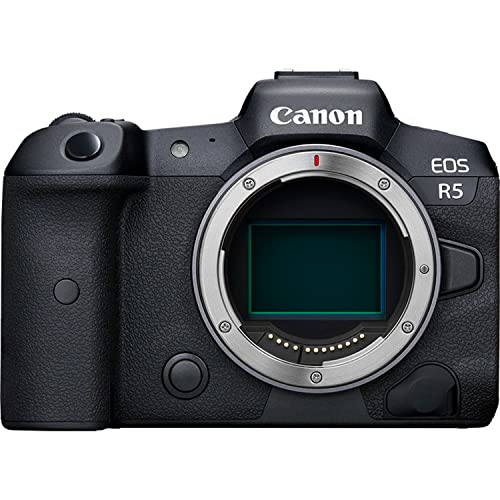
- Specs:
- Sensor: 45 MP full-frame CMOS
- Processor: DIGIC X
- Autofocus: Dual Pixel CMOS AF II
All 4 Picks at a Glance
| Product | Specs | Action |
|---|---|---|
| Canon EOS R7 |
| Check price on Amazon |
| Canon EOS R10 with RF-S18-150mm Kit |
| Check price on Amazon |
| Canon EOS R5 |
| Check price on Amazon |
 Canon EOS 90D with 18-135mm IS USM |
| Check price on Amazon |
Key takeaways
- Four Canon cameras for wildlife compared on burst speed, animal-detection autofocus and sensor size, from the fast EOS R7 to the full-frame EOS R5 body.
What's inside
As an Amazon Associate I earn from qualifying purchases. This post may contain affiliate links at no extra cost to you.
Wildlife photography punishes slow cameras. A bird lifts off, a deer turns its head, and the moment is gone in under a second, so the real decision is which Canon body gives you the burst speed, autofocus tracking, and sensor reach to keep up with subjects that never pose. Crop-sensor bodies stretch your telephoto lenses further, while full-frame bodies gather more light at dawn and dusk. Every pick below is a Canon, so the choice comes down to how you shoot animals, not which brand to join.
This guide is for bird photographers who live at the long end of a telephoto lens, safari and nature travelers who need reach in a carry-on, Canon DSLR owners thinking about a mirrorless move, and serious hobbyists who want one body that handles both stills and video in the field. The four cameras were chosen from the names and specifications on their Amazon product pages, and each one lists animal-detection autofocus or the burst speed that field work demands.
Quick Picks
As an Amazon Associate we earn from qualifying purchases
| Product | Best for | Key spec from title |
|---|---|---|
| Canon EOS R7 | Bird and wildlife reach on a crop sensor | 32.5 MP APS-C with 30 fps electronic |
| Canon EOS R10 with RF-S18-150mm Kit | Starting wildlife work with a lens included | 24.2 MP APS-C kit |
| Canon EOS R5 | Full-frame detail for large prints | 45 MP full-frame |
| Canon EOS 90D with 18-135mm IS USM | DSLR handling with an optical viewfinder | 32.5 MP APS-C DSLR kit |
How to Choose
Weigh crop reach against full-frame light
An APS-C sensor crops the view of a lens, which works in a wildlife shooter’s favour: a 400mm lens on the EOS R7 or 90D frames like a much longer lens on full frame, and distant birds fill more of the picture. The full-frame EOS R5 gives up that free reach but gathers more light per pixel, which shows at dawn and dusk when animals are active and light is thin. Decide which you need more often, extra reach in daylight or cleaner files in low light, because that single choice narrows this list quickly.
Prioritize burst speed and pre-capture
Wildlife action arrives in bursts, and a fast continuous rate turns a lucky frame into a sequence you can choose from. The EOS R7 fires at 15 fps with its mechanical shutter and 30 fps electronically, and its RAW Burst mode with pre-shooting records frames from before you fully press the button, which suits birds taking flight. The EOS R5 reaches 20 fps electronically, while the 90D manages 10 fps. For perched portraits any of these is fast enough; for flight and behaviour sequences, the higher rates earn their keep.
Check that autofocus detects animals
Modern Canon bodies in this group use Dual Pixel CMOS AF with animal detection, which finds and holds an animal’s eye instead of hunting across branches and grass. The EOS R7, R10, and R5 all list animal detection, and that matters more in the field than raw focusing-point counts, because the camera keeps working while you concentrate on composition. The 90D uses the earlier Dual Pixel CMOS AF with a 45-point all cross-type system through the viewfinder, dependable but less specialised for eyes.
Match the body to the lenses you own or plan to buy
Mount decides your lens budget. The EOS R7, R10, and R5 use Canon’s RF mount, where native telephoto options keep growing, while the EOS 90D uses the EF mount and the deep, widely available pool of EF lenses, including many used telephotos. The R10 and 90D kits here include versatile zoom lenses that cover wide scenes through moderate telephoto, a sensible starting point. Body-only buyers, like those choosing the R7 or R5, should price the long lens they need before committing.
The 4 Best Options
Canon EOS R7
- Specs:
- Sensor: 32.5 MP APS-C CMOS
- Processor: DIGIC X
- Autofocus: Dual Pixel CMOS AF II with animal detection
The EOS R7 is the wildlife specialist of this group. Its 32.5 MP APS-C sensor gives telephoto lenses extra effective reach, and the Dual Pixel CMOS AF II includes animal detection to lock onto eyes through reeds and branches. A 15 fps mechanical rate, rising to 30 fps electronically, plus RAW Burst mode with pre-shooting, covers take-offs and sudden movement. Five-axis in-body stabilization helps when you hand-hold a long lens, and 4K 60p video is there when behaviour is better filmed than photographed. Sold as a body only at about 1.1 lb, it pairs naturally with a long RF telephoto.
Canon EOS R10 with RF-S18-150mm Kit
- Specs:
- Sensor: 24.2 MP APS-C CMOS
- Processor: DIGIC X
- Autofocus: Dual Pixel CMOS AF II with animal detection
The EOS R10 kit is the easiest way into Canon wildlife photography, because the box includes an RF-S18-150mm lens that covers wide landscapes through useful telephoto range for larger or closer animals. The 24.2 MP APS-C sensor and DIGIC X processor drive Dual Pixel CMOS AF II with animal detection, and continuous shooting runs at 15 fps mechanically or 23 fps electronically, fast enough for garden birds and zoo visits. It records 4K video for clips alongside stills. As skills grow, longer RF lenses can follow; as a starting package that is ready to shoot, this kit is the low-friction choice.
Canon EOS R5
- Specs:
- Sensor: 45 MP full-frame CMOS
- Processor: DIGIC X
- Autofocus: Dual Pixel CMOS AF II
The EOS R5 is the full-frame option for wildlife shooters who print large or crop hard. Its 45 MP full-frame sensor records fine feather and fur detail, and Dual Pixel CMOS AF II keeps subjects tracked at up to 12 fps mechanically or 20 fps electronically. Sensor-shift 5-axis in-body stabilization steadies long lenses, and the body even records 8K video for those who film behaviour seriously. At about 1.6 lb it is the heaviest body here, and full frame gives up the crop reach of the R7, so it suits shooters who already own long glass and value file quality over extra effective focal length.
Canon EOS 90D with 18-135mm IS USM
- Specs:
- Sensor: 32.5 MP APS-C CMOS
- Processor: DIGIC 8
- Autofocus: Dual Pixel CMOS AF; 45-point all cross-type AF through the viewfinder
The EOS 90D is the DSLR route into Canon wildlife work, pairing a 32.5 MP APS-C sensor with an optical viewfinder and the EF lens mount. Its 45-point all cross-type autofocus system and 10 fps continuous shooting handle birds in flight and active animals credibly, while Dual Pixel CMOS AF takes over in live view. The included 18-135mm IS USM lens covers habitat scenes through moderate telephoto, and the 3.0-inch vari-angle touch LCD, Wi-Fi, and Bluetooth round out a practical field package. For photographers with EF lenses already on the shelf, it avoids a system change entirely.
Which One Fits Your Situation
You photograph birds and want every bit of reach
Take the Canon EOS R7. The APS-C sensor stretches your telephoto lens, animal-detection autofocus holds the eye, and 30 fps electronic shooting with RAW Burst pre-shooting catches the take-off you would otherwise miss. It is the purpose-built wildlife body in this group, and the one most bird photographers should start from.
You are starting out and need a lens in the box
Choose the Canon EOS R10 kit. The included RF-S18-150mm lens means you can shoot on day one, the animal-detection autofocus does the hard tracking work while you learn, and the body leaves room to grow into longer RF lenses. It is the simplest route from interest to first real wildlife images.
You print large and shoot in low light
Pick the Canon EOS R5. The 45 MP full-frame sensor holds detail for big prints and stays cleaner at the high sensitivities that dawn and dusk demand. You will need genuinely long lenses to compensate for the missing crop reach, but for file quality this is the strongest body here.
You already own EF lenses and like a DSLR
Go with the Canon EOS 90D kit. Your existing EF glass mounts directly, the optical viewfinder suits long days in the field, and the crop sensor still gives your telephotos useful extra reach. It is the sensible upgrade for a Canon DSLR shooter who is not ready to change mounts.
Common Mistakes
- Buying a full-frame body for wildlife without budgeting for the longer lenses it needs.
- Judging a wildlife camera by megapixels while ignoring burst speed and autofocus tracking.
- Assuming a kit lens at 150mm is enough for small birds at a distance.
- Shooting distant animals at midday and blaming the camera for heat shimmer and harsh light.
- Forgetting spare batteries and fast cards, which burst shooting consumes quickly in the field.
Frequently Asked Questions
Is APS-C or full frame better for wildlife?
APS-C usually wins on reach and value, because the crop makes a telephoto lens frame tighter, as on the EOS R7 and 90D. Full frame, like the EOS R5, wins on low-light quality and resolution for large prints. Most dedicated bird photographers favour crop bodies; most landscape-and-wildlife generalists lean full frame.
How fast a burst rate do I need for birds in flight?
Ten frames per second, like the EOS 90D offers, is workable, but 15 fps and above gives you more wing positions to choose from and a better chance of the decisive frame. The R7’s 30 fps electronic mode and RAW Burst pre-shooting go further, recording moments from just before you react.
Does animal-detection autofocus really help?
Yes, especially with birds perched among branches, where a conventional system may lock onto twigs instead of the subject. The R7, R10, and R5 all list animal detection within Dual Pixel CMOS AF II, and it holds the animal’s eye while you compose. It is not magic in dense cover, but it raises your hit rate noticeably.
Which lens should I pair with these bodies?
Reach is the priority: most wildlife shooters end up at 400mm or beyond on full frame, or 300mm and up on APS-C, where the crop helps. The kits here cover shorter ranges for larger animals and habitat shots. Price the long lens before the body, because the lens usually decides what you can photograph.
Related guides
More from Amazon
Programs that pair well with the guide above. Offers and eligibility are set by Amazon and may change.
Free shipping on eligible items, Prime Video and more. Eligible new members can start with a free trial.
Start a Prime free trialAudiobooks and podcasts to listen to on the go. Eligible new members can start with a free trial.
Try Audible freeAd-free music streaming. Eligible new subscribers can start with a free trial.
Try Music Unlimited freeA free business account with business pricing and bulk-buying tools for work, shop or home office.
Create a business accountAs an Amazon Associate we earn from qualifying purchases.










Write Your Review
No reviews yet. Be the first to share your experience!