
Our Short List of 3
All 4 Picks at a Glance
| Product | Specs | Action |
|---|---|---|
 Canon PowerShot G7 X Mark III (ASIN: B07TKNCQZL) | Check price on Amazon | |
 Canon EOS R50 with RF-S 18-45mm Lens (ASIN: B0BTTV6CT1) | Check price on Amazon | |
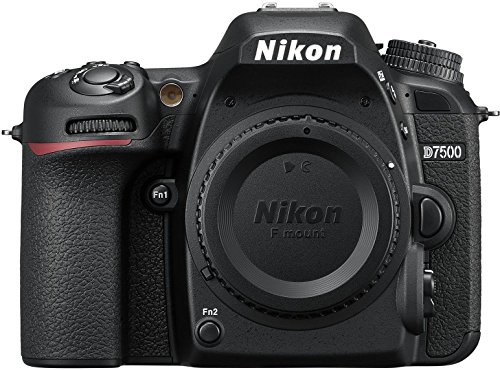 Nikon D7500 (ASIN: B06Y5ZCFHX) | Check price on Amazon | |
 GoPro HERO13 Black (ASIN: B0DCM34GXX) | Check price on Amazon |
Key takeaways
- Learn the main types of digital cameras — compact, bridge, mirrorless, DSLR and action — with one representative model per type and clear buying tips.
What's inside
As an Amazon Associate I earn from qualifying purchases. This post may contain affiliate links at no extra cost to you.
Disclosure: As an Amazon Associate, we may earn from qualifying purchases made through links on this page, at no additional cost to you.
Best Types of Digital Cameras: A Plain-Language Guide to Every Main Type
“Digital camera” is an umbrella term that covers machines built for very different jobs. A pocket compact, a superzoom bridge camera, a mirrorless body, a DSLR and an action camera all record digital images, but they differ in lens system, sensor size, viewfinder design, handling and the kind of photography they make easy. Choosing the right type matters more than choosing the right model, because the type decides what the camera can and cannot do for years afterward.
This guide walks through the main types of digital cameras one by one. For each type you get a clear explanation of how it works, who it suits, and one representative model that is currently sold on Amazon US, so you can see the abstract category as a real, concrete camera. A few smaller types — instant cameras, rugged waterproof compacts and dedicated camcorders — are covered briefly at the end of the choosing section.
Quick Picks
- Compact / point-and-shoot: Canon PowerShot G7 X Mark III — a pocket camera with a large 1-inch sensor and a fast fixed zoom lens.
- Bridge / superzoom: Nikon COOLPIX P950 — a DSLR-styled body with a fixed 83x zoom reaching a 2000mm equivalent.
- Mirrorless: Canon EOS R50 with RF-S 18-45mm lens — an interchangeable-lens camera with an electronic viewfinder and strong video.
- DSLR: Nikon D7500 — a classic mirror-and-prism design with an optical viewfinder and a huge native lens catalog.
- Action: GoPro HERO13 Black — a tiny waterproof camera built to be mounted and knocked around.
Compact and Point-and-Shoot Cameras
A compact camera has a fixed lens that you cannot remove, a small body that slips into a jacket pocket, and controls designed so the camera can do the thinking for you. This is the type most people picture as the classic alternative to a phone. Better compacts use a larger sensor than a phone and a real optical zoom, which is why they still earn their place.
Canon PowerShot G7 X Mark III (ASIN: B07TKNCQZL)
See the Canon PowerShot G7 X Mark III on Amazon
The PowerShot G7 X Mark III is the example used here for the premium compact type: a fixed-lens camera built around a 20.1 megapixel 1.0-inch stacked CMOS sensor, which is far larger than the sensor in a typical basic compact or phone. It pairs that sensor with Canon’s DIGIC 8 processor and a fixed 4.2x optical zoom lens covering 24–100mm (equivalent) with a bright f/1.8–2.8 aperture and optical image stabilization, so it keeps working in indoor light where lesser compacts struggle.
Video is a genuine strength of this type at this level: the camera records 4K at 30p and Full HD up to 120p, has a 3.0-inch touchscreen that tilts up 180 degrees for self-framing, and includes an external microphone input plus Wi-Fi and Bluetooth for moving files to a phone. The body weighs roughly 0.82 pounds with battery and card, so it carries like the pocket camera it is.
Highlights
– Large 1-inch sensor in a truly pocketable fixed-lens body
– Bright f/1.8–2.8 zoom lens with optical stabilization
– 4K video, tilting touchscreen and a microphone input
Considerations
– The fixed lens cannot be changed, so the 24–100mm range is all you get
– No viewfinder; all framing is done on the rear screen
Bridge and Superzoom Cameras
Bridge cameras “bridge” the gap between compacts and interchangeable-lens cameras. They keep a fixed lens, but the body grows to DSLR size with a proper grip and viewfinder, and the lens becomes the headline feature: a single zoom that runs from wide angle to extreme telephoto. If you want to photograph birds, aircraft or the moon without buying separate lenses, this is the type designed for you.
Nikon COOLPIX P950 (ASIN: B083K41SKC)
See the Nikon COOLPIX P950 on Amazon
The COOLPIX P950 represents the bridge type at its most specialized. Its fixed NIKKOR lens zooms 83x, covering a 24–2000mm equivalent range, with a 166x Dynamic Fine Zoom beyond that, and Dual Detect Optical VR stabilization to help hold the frame steady at the long end. Behind the lens sits a 16 megapixel 1/2.3-inch backside-illuminated CMOS sensor with sensitivity up to ISO 6400, and the camera can save RAW (NRW) files as well as JPEGs.
Handling follows the DSLR template: there is a built-in electronic viewfinder, a 3.2-inch vari-angle LCD, dedicated Bird and Moon shooting modes, and 4K UHD video at 30p. At about 35.5 ounces it is a substantial camera, but that single body replaces what would otherwise be a bag of long lenses. Wi-Fi and Bluetooth handle transfers to a phone.
Highlights
– 83x fixed zoom reaching a 2000mm equivalent in one body
– RAW capture, 4K video and both an EVF and a vari-angle screen
– Bird and Moon modes aimed at its most common subjects
Considerations
– The small 1/2.3-inch sensor limits low-light quality and cropping room
– Large and heavy for a fixed-lens camera; not a pocket option
Mirrorless Cameras
Mirrorless cameras are interchangeable-lens cameras that drop the mirror box of a DSLR. Light passes straight through the lens onto the sensor, and you compose through an electronic viewfinder or the rear screen, which shows exposure and focus aids in real time. This is now the mainstream serious-camera type: every major maker’s current lens system is built around it, and the bodies are smaller than equivalent DSLRs.
Canon EOS R50 with RF-S 18-45mm Lens (ASIN: B0BTTV6CT1)
See the Canon EOS R50 kit on Amazon
The EOS R50 is the mirrorless example here, sold as a kit with the RF-S 18-45mm f/4.5-6.3 IS STM zoom. It uses a 24.2 megapixel APS-C CMOS sensor and Canon’s DIGIC X processor, with Dual Pixel CMOS AF II autofocus that recognizes people, animals and vehicles. Because it is an RF-mount camera, that kit lens is only the starting point: the same body accepts Canon’s full range of RF and RF-S lenses.
Video and handling show why mirrorless has taken over the middle of the market. The R50 records 4K 30p video oversampled from 6K, offers an electronic viewfinder for eye-level shooting, and has a vari-angle touchscreen that flips forward for presenting to camera. The body weighs about 375 grams on its own, noticeably less than a comparable DSLR outfit, and built-in Wi-Fi and Bluetooth connect it to a phone for sharing or remote control.
Highlights
– Interchangeable RF-mount lenses on a compact, light body
– 24.2MP APS-C sensor with subject-detect autofocus
– 4K video and a forward-flipping touchscreen for creators
Considerations
– Kit lens is a starting point; the system grows by buying more lenses
– Electronic viewfinder uses battery power, so shot counts trail DSLRs
DSLR Cameras
A DSLR (digital single-lens reflex) uses a mirror that reflects the lens image up into an optical viewfinder, then flips out of the way for the exposure. You see the scene through the lens itself, with no electronic display in between, and the type is known for long battery life, rugged bodies and enormous back catalogs of lenses built over decades. New DSLR development has slowed as makers focus on mirrorless, but the type remains a practical way into serious photography.
Nikon D7500 (ASIN: B06Y5ZCFHX)
The D7500 is the DSLR example in this guide, listed as a body only, ready for Nikon F-mount lenses. It carries a 20.9 megapixel DX-format (APS-C) CMOS sensor with Nikon’s EXPEED 5 processor, a native ISO range of 100–51,200, and the type’s signature optical viewfinder with 0.94x magnification. Its 51-point autofocus system, with 15 cross-type sensors, works through that viewfinder, and continuous shooting runs at 8 frames per second.
The body shows the type’s traditional strengths: extensive weather sealing over a monocoque shell, a battery rated for roughly 950 shots per charge, and a 3.2-inch 922k-dot tilting touchscreen for the times you do shoot from the screen. It also records 4K UHD video, and the F mount in front of it opens the door to one of the deepest lens catalogs in photography, new and used alike.
Highlights
– True optical viewfinder and long, roughly 950-shot battery life
– 51-point autofocus and 8 fps shooting for action subjects
– Weather-sealed body with access to the vast F-mount lens range
Considerations
– Sold as a body only here, so a lens is a separate purchase
– Larger and heavier than a mirrorless camera of similar output
Action Cameras
Action cameras are a type defined by size and toughness rather than by lens systems. They are tiny, usually waterproof without a housing, use a very wide fixed lens, and are made to be mounted on helmets, handlebars, boards and chest straps. Image quality per pixel is modest next to a big-sensor camera, but no other type goes where these go.
GoPro HERO13 Black (ASIN: B0DCM34GXX)
See the GoPro HERO13 Black on Amazon
The HERO13 Black is the current flagship example of the action type. It records video up to 5.3K at 60 frames per second and shoots 27 megapixel stills, with built-in electronic stabilization smoothing out mounted footage. The body is waterproof as sold, front and rear screens help with framing from either side, and a removable Enduro battery is included.
What makes it an action camera rather than a small video camera is the system around it: a standard mounting interface for the huge range of mounts, and compatibility with GoPro’s HB-Series lens mods, which the camera detects automatically when attached. Voice control and a phone app round out a package designed to be started, mounted and forgotten about until the run is over.
Highlights
– 5.3K60 video and 27MP stills from a camera that fits in a palm
– Waterproof body with front and rear screens
– HB-Series lens mods and a deep mount ecosystem
Considerations
– Fixed ultra-wide view is a poor fit for portraits or distant subjects
– Small sensor means stills cannot match a large-sensor camera
How to Choose
Start with the lens question, because it splits the types into two families. If you want one camera that is ready for everything with nothing else to buy, choose a fixed-lens type: a compact for pockets, a bridge camera for reach. If you are willing to build a kit over time, an interchangeable-lens type — mirrorless or DSLR — grows with you, because the body is only the first purchase.
Next, match the type to the subject. Distant wildlife and sports from the stands point to a bridge camera’s zoom or a telephoto lens on an interchangeable-lens body. Travel and family life favor a premium compact or a small mirrorless kit. Video creators generally land on mirrorless, where current autofocus, screens and microphone support are strongest. Anything that gets mounted, submerged or crashed belongs to the action type.
Finally, weigh size honestly. The best type is the one you will carry: a DSLR with three lenses loses to a compact that is actually in your pocket. Two smaller types deserve a mention even though they are not given full sections here. Instant cameras print a physical photo seconds after you shoot, and rugged compacts wrap a small sensor in a waterproof, drop-resistant shell for beaches and job sites. Dedicated camcorders also still exist for long, uninterrupted video recording.
Key Specifications Explained
Sensor size is the single best predictor of image quality. As a rough ladder: action cameras and superzooms use sensors around 1/2.3 inch, premium compacts use 1 inch, and mirrorless cameras and DSLRs commonly use APS-C or full-frame sensors. Bigger sensors gather more light, which means cleaner images at high ISO and shallower depth of field.
Optical zoom describes how much a fixed lens can magnify using glass alone; digital zoom just crops and should be ignored when comparing. For interchangeable-lens cameras the equivalent idea is the focal-length range of the lenses you own, expressed in millimeters.
Viewfinder type separates the families. An optical viewfinder (DSLR) shows the real scene with no lag and no battery drain. An electronic viewfinder (mirrorless, and bridge cameras) shows a live feed from the sensor, including exposure simulation and focus aids. Some compacts and action cameras have no viewfinder at all.
Stabilization may live in the lens, in the body (IBIS) on many mirrorless cameras, or be electronic, as in action cameras. All forms buy you slower handheld shutter speeds; none of them freeze a moving subject.
Setup and Use Tips
Whatever the type, do the same first jobs: charge the battery fully, format a memory card in the camera rather than on a computer, set the date and time so files sort properly, and update the firmware if the maker offers a newer version. Then shoot a dozen test frames around the house and view them at full size, so any problem shows up before an important day does.
Learn your type’s one signature skill. On a compact, that is holding the camera steady at full zoom. On a bridge camera, it is bracing or using a monopod at the long end of the zoom. On mirrorless and DSLR bodies, it is choosing the right autofocus mode for still versus moving subjects. On an action camera, it is picking a mount and angle before the activity starts, because you will not adjust it mid-run.
Keep the lens clean, keep a spare battery for interchangeable-lens cameras, and back files up the same day. Types differ, but lost photos are lost the same way on all of them.
Common Mistakes to Avoid
The most common mistake is buying a type for a job it is bad at: an action camera for portraits, a superzoom for indoor low-light work, or a DSLR kit that stays home because it is heavy. Decide the main job first, then the type.
A second mistake is judging fixed-lens cameras by digital zoom numbers or by megapixels alone. A 16 megapixel superzoom and a 24 megapixel mirrorless camera are not close in output quality; sensor size and the lens explain the gap. A third is forgetting the system cost of interchangeable-lens cameras: budget for at least one lens beyond the kit zoom, a bag and spare batteries.
Finally, do not assume newer marketing terms change the types themselves. However a camera is labeled, it still has a sensor size, a lens arrangement and a way of showing you the scene — and those three facts tell you what type it really is.
FAQ
What is the main difference between a mirrorless camera and a DSLR?
A DSLR uses a mirror and an optical viewfinder; a mirrorless camera removes the mirror and uses an electronic viewfinder or the rear screen. Mirrorless bodies are smaller and dominate current development, while DSLRs offer optical viewing and very long battery life.
Which type of digital camera is best for a beginner?
A premium compact is the simplest start, since there are no lenses to choose. A beginner who expects to grow into photography is usually better served by an entry-level mirrorless kit, which can start on full auto and add lenses and manual control later.
Is a bridge camera the same as a superzoom?
Mostly, yes. “Bridge” describes the body style — between a compact and a DSLR — and nearly all bridge cameras are built around a long superzoom lens, so the two terms are used almost interchangeably.
Do I still need a dedicated camera if my phone is good?
For casual snapshots, a phone may be enough. A dedicated camera earns its place when you need optical zoom reach, a larger sensor for low light, interchangeable lenses, waterproof toughness, or controls and battery life built for long sessions.
Can an action camera replace a regular camera?
It can cover video and rough conditions very well, but its fixed ultra-wide lens and small sensor limit stills, portraits and distant subjects. Most owners treat it as a second, specialist camera rather than a replacement.
Final Verdict
There is no single best type of digital camera — there is a best type for a job. Choose a compact like the Canon PowerShot G7 X Mark III for pocketable quality, a bridge camera like the Nikon COOLPIX P950 when reach is everything, a mirrorless camera like the Canon EOS R50 for a system that grows, a DSLR like the Nikon D7500 for optical viewing and battery endurance, and an action camera like the GoPro HERO13 Black when the camera has to survive the activity. Pick the type that matches how you actually shoot, and the specific model becomes a much easier decision.
Related guides
More from Amazon
Programs that pair well with the guide above. Offers and eligibility are set by Amazon and may change.
Free shipping on eligible items, Prime Video and more. Eligible new members can start with a free trial.
Start a Prime free trialAudiobooks and podcasts to listen to on the go. Eligible new members can start with a free trial.
Try Audible freeAd-free music streaming. Eligible new subscribers can start with a free trial.
Try Music Unlimited freeA free business account with business pricing and bulk-buying tools for work, shop or home office.
Create a business accountAs an Amazon Associate we earn from qualifying purchases.










Write Your Review
No reviews yet. Be the first to share your experience!